
A statue worth 250 million dollars sat disguised as junk. For over 200 years, nobody knew the truth. You could have walked past pure gold.
That’s the story behind the golden Buddha statue in Bangkok. Hidden under plaster to survive invasions, this golden Buddha Thailand treasure cracked open by accident in 1955, revealing solid gold beneath. Today, travelers flock to the Buddha temple in Bangkok to witness this remarkable discovery firsthand.
Whether you’re drawn to the history, planning your photos, or simply want to understand its deeper golden Buddha meaning, Wat Traimit delivers an experience unlike any other Bangkok landmark. This guide covers everything from golden Buddha price details to nearby Thai cuisine, so you can plan a trip worth remembering.
What Is the Golden Buddha?
The Golden Buddha statue sits inside Wat Traimit temple in Bangkok, Thailand. It stands as the largest solid gold Buddha statue in the world.
This Buddha weighs over 5.5 tonnes and stands nearly 3 metres tall. Visitors travel from across the globe just to see this remarkable Buddha statue up close.
History of the Golden Buddha Statue
The golden Buddha’s history stretches back centuries to the Sukhothai period in Thailand. Artisans crafted the statue from pure gold during a time when temples needed protection from invaders.
For generations, few people knew the true value hidden inside this ordinary-looking statue. Its golden Buddha in Thailand remained a mystery until a chance discovery revealed the truth.
Hidden Under Clay for Protection
Monks covered the statue in a thick layer of plaster and coloured glass centuries ago. They did this to hide it from Burmese armies who often looted temples for treasure.
The disguise worked for hundreds of years. Nobody suspected that solid gold lay beneath the cracked, ordinary clay exterior.
The 1955 Discovery Moment
Workers moved the statue in 1955 while relocating it to a new temple hall. The crane cable snapped, and the statue fell to the ground.
A monk noticed gold shining through a crack in the plaster the next morning. This accident revealed one of the most valuable religious artifacts in the world.
Golden Buddha Statue Facts
Here are some quick facts about this remarkable statue.
| Fact | Detail |
| Height | 3 metres (9.8 feet) |
| Weight | 5,500 kg (5.5 tonnes) |
| Material | Solid 18-karat gold |
| Era | Sukhothai period |
| Location | Wat Traimit, Bangkok |
| Estimated Value | Over 250 million USD |
These numbers explain why so many travelers add this site to their Thailand itinerary.
The Meaning Behind the Golden Buddha
The golden Buddha’s meaning goes beyond its material worth. It represents patience, resilience, and the idea that true value can stay hidden until the right moment arrives.
Many visitors find the story more powerful than the gold itself. The statue teaches a simple lesson about looking beyond outward appearances.
What the Story Teaches Us
The statue reminds people that ordinary things can hide extraordinary worth. Monks protected something precious by making it look plain and unremarkable.
This idea connects deeply with Buddhist teachings about inner nature. What matters most often stays invisible until circumstances reveal it.
Symbol of Hidden Inner Potential
Buddhists often compare the statue’s story to human potential. Every person carries inner value that may stay hidden until life presents the right conditions.
This symbolism draws spiritual travelers and casual tourists alike. You do not need to follow Buddhism to appreciate this universal message.
You May Also Visit: Buddhism Place of Worship: Names, Meaning & India Guide
Golden Buddha Temple in Bangkok
Wat Traimit houses this Buddha temple, a Bangkok landmark within Chinatown. The temple complex includes a museum dedicated to the statue’s history and discovery.
Visitors can explore multiple floors covering Thai-Chinese heritage alongside the main shrine. The Golden Buddha Bangkok experience combines spirituality with cultural education.
Wat Traimit Location and History
Wat Traimit sits at the edge of Bangkok’s Chinatown district, close to Hua Lamphong railway station. The temple dates back over 100 years, though the golden statue only moved there in the 1950s.
The current building, finished in 2010, was designed specifically to showcase the statue properly. Marble floors and a grand hall replaced the simpler structure that once housed it.
Visiting Wat Traimit Museum
The museum beneath the main shrine tells the full story of the statue’s discovery. Interactive displays walk visitors through the 1955 accident and its aftermath.
Exhibits also cover the history of Chinatown and Thai-Chinese trade relations. Plan for at least 45 minutes to see everything properly.
Entry Ticket Price and Timings
The Golden Buddha price for entry stays budget-friendly for most travelers.
- Foreign visitors: Around 100 THB
- Thai nationals: Free entry to the main shrine
- Museum access: Included in the ticket price
- Opening hours: 8:00 AM to 5:00 PM daily
Arrive early to avoid tour group crowds, especially on weekends.
How to Reach From Chinatown
Wat Traimit sits just a short walk from Bangkok’s main Chinatown gate on Yaowarat Road. Most travelers combine both stops into a single afternoon outing.
Walking from Wat Traimit to the heart of Chinatown takes roughly 10 minutes. Signs in English make navigation simple even for first-time visitors.
Best Time to Visit Wat Traimit
Early morning visits between 8:00 and 10:00 AM offer the coolest temperatures and smallest crowds. Bangkok heat builds quickly, so timing your visit matters.
The dry season, from November to February, provides the most comfortable weather for exploring both the temple and nearby Chinatown streets.
Golden Buddha Statue Photos and Views
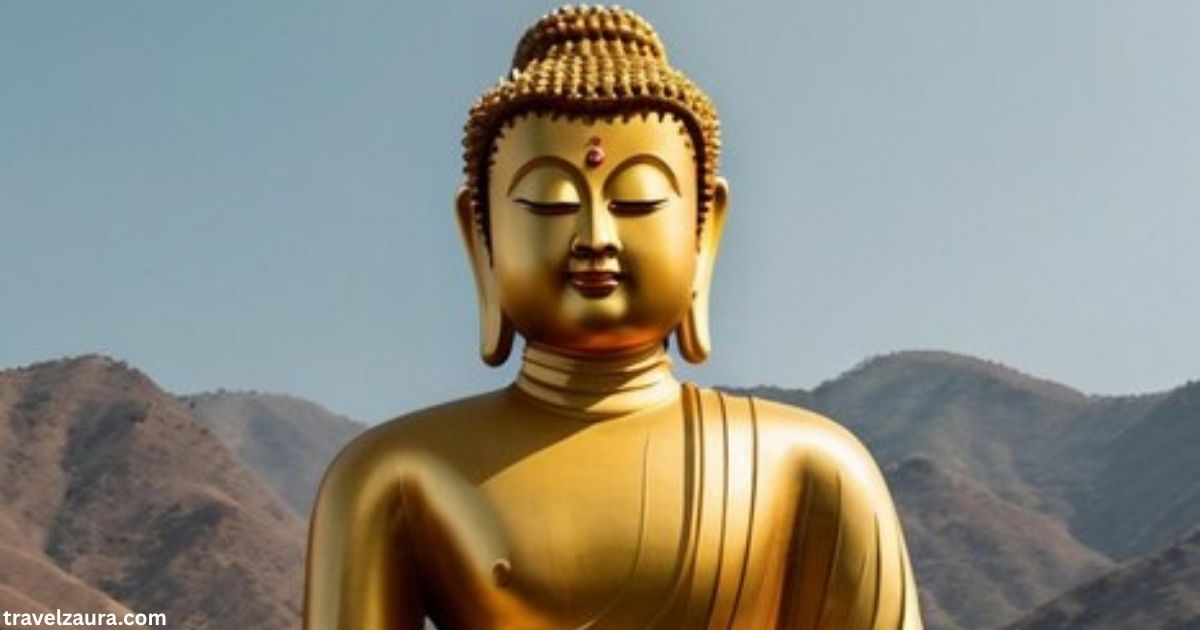
Photography rules stay relaxed inside the main hall, making it easy to capture photos for your travel memories. Natural light through tall windows creates striking images throughout the day.
The best golden Buddha statue Thailand shots come from the ground floor, facing the statue directly. Avoid using flash out of respect for worshippers nearby.
Nearby Attractions in Chinatown Bangkok
Chinatown offers plenty to explore after your temple visit.
- Yaowarat Road: Famous for street food and neon signs at night
- Wat Mangkon Kamalawat: A vibrant Chinese-style Buddhist temple
- Talat Noi: A quiet artistic neighborhood with murals and cafes
- Sampeng Lane Market: A bustling wholesale shopping strip
These spots pair naturally with a Wat Traimit visit for a full day out.
Local Food Near Wat Traimit
Chinatown surrounds the temple with countless food stalls and restaurants. Any Thai cuisine menu here typically features noodle soups, grilled seafood, and mango sticky rice.
Street vendors near the temple entrance serve quick, affordable meals perfect between sightseeing stops. Look for stalls with long local queues for the most authentic flavors.
Safety and Packing Tips for Visitors
Keep these tips in mind before heading out.
- Wear modest clothing that covers shoulders and knees
- Carry small bills for entry fees and street food
- Bring water and sun protection during hot months
- Watch belongings closely in crowded Chinatown streets
- Remove shoes before entering the main shrine
Following temple etiquette helps visitors show proper respect during their trip.
Transportation Options to Wat Traimit
The MRT Hua Lamphong station sits just a few minutes’ walk from the temple, making it the easiest option for most travelers. Taxis and tuk-tuks also serve the area at reasonable rates.
Riverboats along the Chao Phraya offer a scenic alternative, stopping near Ratchawong Pier, within walking distance of the temple.
Frequently Asked Questions
What is special about the golden Buddha?
The golden Buddha is solid gold, weighs 5.5 tonnes, and stayed hidden under plaster for centuries before its accidental 1955 discovery.
Where is the golden Buddha now?
The golden Buddha sits inside Wat Traimit temple in Bangkok’s Chinatown district, displayed within a dedicated marble hall built in 2010.
Is the Golden Buddha story true?
Yes, historical records confirm the golden Buddha’s plaster covering cracked during a 1955 move, revealing solid gold underneath after centuries of concealment.
How much is the price of the Golden Buddha?
Entry costs around 100 THB for foreign visitors, while the golden Buddha statue itself holds an estimated value exceeding 250 million USD.
Is Golden Buddha good for the home?
Many buyers choose a golden Buddha showpiece for home altars, believing it brings peace, prosperity, and positive energy into living spaces.
Conclusion
The Buddha statue in Bangkok remains one of Thailand’s most rewarding stops for travelers seeking history and meaning beyond typical sightseeing. Visit Wat Traimit, Bangkok’s golden Buddha temple, early morning for smaller crowds and better golden Buddha photos. Entry stays affordable, with the golden Buddha price around 100 THB for foreign visitors.
Pair your trip with Chinatown’s food stalls for authentic Thai cuisine nearby. Bring home a golden Buddha showpiece as a souvenir, or explore the full golden Buddha history through a dedicated golden Buddha book. Note: searches for “golden buddha Ibiza,” “menu,” or “Newburgh” refer to unrelated restaurants and nightlife venues, not this Thailand landmark.