
Most travelers walk through history without even noticing it. You could be standing beside centuries of sacred tradition right now. A single Chinese temple holds more stories than most museums combined.
From vivid Chinese temple design to mysterious Chinese gods and immortals, every detail invites you closer. Ever wondered what a Chinese temple is called, or which temple is famous in China? This guide answers it all, covering everything from a Chinese temple near me search to the roots of Buddhism in China and Chinese folk religion. Whether you’re drawn by temple photos, curious about Chinese temple tattoo symbolism, or comparing a Japanese temple to a Buddhist temple, your journey starts here.
What Is a Chinese Temple Called?
A Chinese temple often carries the name “gong,” “si,” or “miao,” depending on which faith built it. Each term points to a different tradition, whether Taoist, Buddhist, or folk religion based.
Locals also use the word “ci” for ancestral halls that double as worship spaces. Knowing these terms helps you understand what you are stepping into before you even walk through the gate.
Chinese Temple Meaning and Origins
Chinese temples date back over 2,000 years, rooted in a mix of Taoism, Buddhism, and folk religion. They started as simple shrines and grew into elaborate complexes housing gods, ancestors, and spirits.
Over centuries, dynasties added their own architectural touches. This blend of history explains why a single temple can feel like a walk through several eras at once.
Temple vs Church Naming
Unlike a church, which usually serves one faith, a temple can host multiple deities under one roof. Visitors often light incense to several gods in a single visit, something rarely seen in Western worship spaces.
Which Temple Is Famous in China?
China holds thousands of temples, but a few stand out globally. Shaolin, Jokhang, and White Horse Temple top most travel lists for their history and architecture.
Shaolin Temple Henan
Famous for kung fu monks, this temple in Henan province blends martial arts history with Buddhist teaching.
Jokhang Temple Lhasa
Considered one of the most sacred sites in Tibetan Buddhism, pilgrims travel here from across the region.
White Horse Temple, Luoyang
Known as China’s first Buddhist temple, it marks the arrival of Buddhism in China over 1,900 years ago.
Table: Top Chinese Temples Compared
| Temple | Location | Known For |
| Shaolin Temple | Henan | Kung fu monks |
| Jokhang Temple | Lhasa | Tibetan Buddhism |
| White Horse Temple | Luoyang | First Buddhist temple |
Chinese Temple Design and Architecture
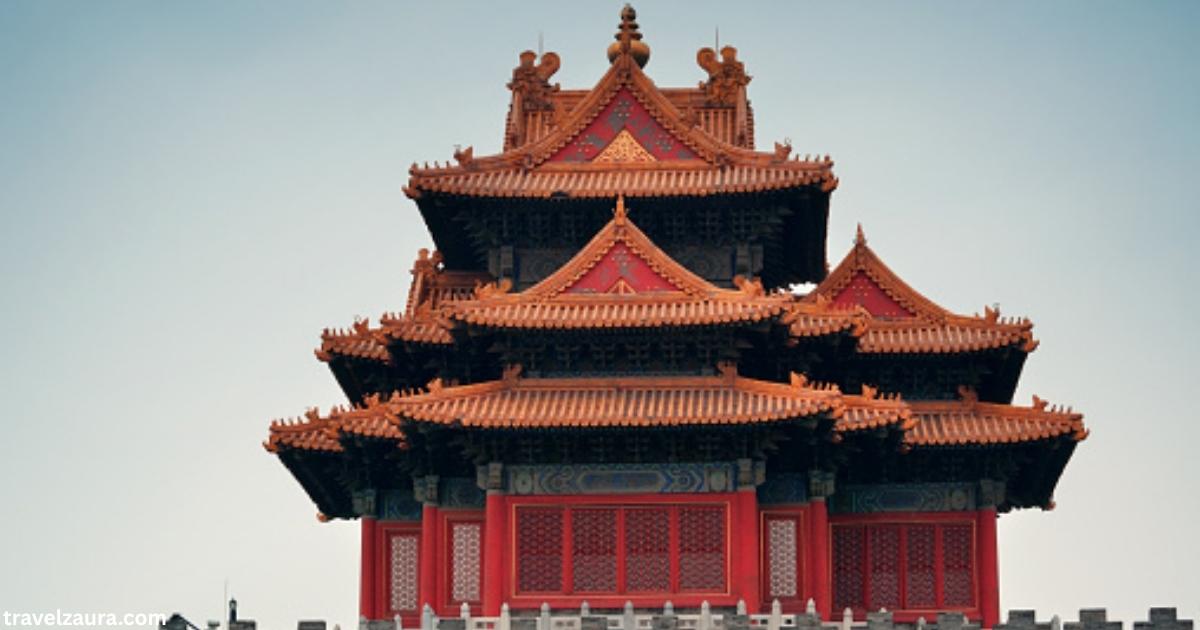
Chinese temple design follows strict symmetry, with courtyards leading toward the main hall. Red pillars, curved roofs, and wooden beams reflect centuries of craftsmanship.
Feng shui principles guide the layout of nearly every structure. This is why gates, halls, and gardens always follow a specific north-south alignment.
Roofs and Dragon Carvings
Dragon carvings on rooftops symbolize protection and imperial power, a detail found in most temples.
Chinese Temple Inside Layout
Once inside a Chinese temple, you will find incense burners, statues, and offering tables arranged around a central altar.
You May Also Visit: The Golden Buddha Statue: A Story of History, Meaning, and Wonder
Chinese Gods and Immortals Explained
Chinese gods and immortals represent different aspects of daily life, from mercy to wealth. Statues of these figures often anchor the main hall of a temple.
Worshippers pray to specific deities depending on their needs, whether health, career, or family harmony.
Guan Yin, Goddess of Mercy
This is worshipped for compassion and protection, especially by families and travelers.
Guan Yu God of War
Guan Yu represents loyalty and courage, often honored by business owners and soldiers alike.
Caishen God of Wealth
Caishen draws crowds during Chinese New Year, as visitors pray for prosperity in the year ahead.
Buddhism, Taoism and Folk Religion
Buddhism in China blends closely with Taoism and local folk religion, creating temples that honor multiple belief systems at once. This mix is part of what makes Chinese temples unique worldwide.
Chinese folk religion adds ancestor worship and nature spirits into the mix, giving temples a layered spiritual identity.
Temple of Confucius Meaning
A Temple of Confucius honors the philosopher as a symbol of wisdom and education, not as a deity in the traditional sense.
Buddhist vs Taoist Temples
Buddhist temples focus on enlightenment and karma, while Taoist temples emphasize balance, nature, and immortality.
Best Time to Visit Temples
The best time to visit a Chinese temple is during spring or autumn, when weather stays mild and crowds thin out. Early mornings offer the calmest experience.
Avoid national holidays if you prefer quiet reflection over crowded courtyards.
Chinese New Year Visits
Chinese New Year brings the busiest crowds, as families pray for luck and fortune together.
Festival and Prayer Days
Mid-month lunar dates often draw larger crowds for prayer and incense offerings.
Chinese Temple Near Me Guide
Searching for a Chinese temple near me often leads travelers to temples outside China itself, especially in cities with large Chinese communities.
These temples preserve tradition while adapting to local surroundings.
Table: Chinese Temples Outside China
| Country | City | Notable Temple Area |
| India | Kolkata | Tiretti Bazar, Tangra |
| India | Mumbai | Chinese Kali Temple |
| India | Kushinagar | Chinese Buddhist Temple |
Chinese Temples in Kolkata, India
Kolkata holds one of Asia’s oldest Chinese communities, and its temples reflect that heritage.
Tiretti Bazar Temple Cluster
Small shrines line Tiretti Bazar, drawing both worshippers and curious travelers each morning.
Tangra Chinatown Temples
Tangra’s temples sit near Chinese restaurants, making it easy to combine a cultural visit with a meal.
Chinese Buddhist Temple in Kushinagar
This temple honors Buddhist heritage in a town already known as a major Buddhist pilgrimage site.
What Time Chinese Temple Mumbai
Visiting hours for the Chinese temple in Mumbai typically run from morning until early evening, though timings can shift on festival days.
Hidden Gems and Unusual Temples
Beyond famous names, smaller Chinese temples across Asia offer quiet, authentic experiences away from crowds.
Offbeat Temples Worth Visiting
Look for small ancestral halls in old Chinatowns, often overlooked but rich in detail and history.
Visiting Etiquette and Safety Tips
Respect matters most when entering any Chinese temple. Speak softly, follow signage, and avoid touching statues or offerings.
Photography Permission Rules
Always check for signage before taking temple photos, since some inner halls restrict cameras.
Dress Code and Manners
Modest clothing and quiet behavior are expected inside prayer halls.
Transportation Options to Reach Temples
Most well-known temples connect easily by public transport, though rural sites may need private transfers.
Table: By Air, Train, Road
| Mode | Best For |
| Air | Long-distance travel between provinces |
| Train | City-to-city temple hopping |
| Road | Reaching rural or remote temples |
Sample Chinese Temple Tour Itinerary
A short, well-planned route lets you cover major temples without rushing.
One Day Temple Route
Start early at the main hall, cover two to three sites by midday, and end with a local meal near the temple district.
Budget Breakdown for Temple Visits
Most temple visits cost little beyond transport and small donations.
Entry Fees and Donations
Entry is often free, though donation boxes support upkeep and community programs.
Chinese Temple Photos and Best Spots
Courtyards and rooftop corners make the best Chinese temple photos, especially during golden hour light.
Chinese Temple Drawing and Tattoo Meaning
A temple drawing often features dragons, lotus flowers, or curved rooflines, symbols also popular in temple tattoo designs representing protection and spiritual balance.
Chinese Temple Name Origins Explained
A temple name usually reflects its founding deity, dynasty, or region, giving each site a distinct identity.
Chinese Temple Crossword Clue Answer
Puzzle fans searching for a Chinese temple crossword clue will often find “pagoda” or “shrine” as common answers.
Frequently Asked Questions
What is a Chinese temple called?
A Chinese temple usually goes by names like gong, si, or miao, depending on whether Taoist, Buddhist, or folk religious traditions built the sacred site.
Which temple is famous in China?
Shaolin Temple in Henan stands out among all Chinese temples for its kung fu history, drawing visitors who want martial arts heritage paired with Buddhist teaching.
What time is the Chinese Temple in Mumbai?
This Chinese temple typically opens mid-morning and closes by early evening, though timings shift during festivals, so checking ahead before visiting saves confusion.
Are there any Hindu temples in China?
Hindu temples remain rare in China, since most worship sites follow Buddhist, Taoist, or folk traditions, though small shrines exist near historic trading communities.
Where is the Chinese temple in Mumbai?
Mumbai’s Chinese temple sits near the Docks area, close to the old Chinese community, blending temple architecture with the city’s busy harbor surroundings.
What are Kuan Kung temples for?
Kuan Kung temples honor Guan Yu, the god of loyalty and courage, and worshippers visit this Chinese temple type seeking protection, strength, and business success.
Conclusion
Exploring Chinese temples rewards travelers with centuries of history, striking Chinese temple design, and deep spiritual meaning. Whether you’re comparing a Japanese temple to a Buddhist temple, curious about Chinese gods and immortals, or searching for a Chinese temple near me for your next trip, each site tells a unique story rooted in Buddhism in China and Chinese folk religion.
Fans of art often admire temple photos and temple drawing styles, while symbolic Chinese temple tattoo designs draw from the same imagery. Understanding what a temple is called and which temple is famous in China helps you plan smarter. Visit respectfully, and let every Chinese temple name guide your journey.