
A single incense stick can perfume an entire mountain village. You don’t need a plane ticket to witness devotion this powerful. It happens quietly, every single day, across millions of homes.
So where do Hindus worship, exactly? The answer stretches far beyond temple walls. Hindu worship at home shapes daily routines for countless families, while grand mandirs host festivals drawing thousands. Curious travelers often ask where do indians worship their gods, and the truth is beautifully varied: riverbanks, mountains, courtyards, and small home altars all count.
Understanding types of worship in Hinduism, from Hindu worship symbol meanings to questions like do Hindus worship cows or how many gods do Hindus worship, turns any trip into a deeper cultural journey. Hinduism’s place of worship and holy book traditions reveal a faith built on flexibility, not fixed rules.
Where Do Hindus Worship?
So where do Hindus worship exactly? The honest answer is everywhere devotion feels sincere: temples, home shrines, riverbanks, and even open-air natural sites all count as valid spaces.
This flexibility is one of the most beautiful parts of the faith. Whether you’re in a bustling city or a quiet village, you’ll find that where do Hindus worship their gods depends more on personal routine than on strict rules.
- Temples (mandirs) for community worship
- Home altars for daily personal prayer
- Riverbanks and mountains considered sacred
- Open courtyards during festivals
If someone asks where Hindus go to worship on a regular Tuesday morning, the most common answer is simply their own home.
Hindu Temples Explained
Temples, or mandirs, are architectural expressions of the divine, built to house deity idols in a way that mirrors sacred cosmology. They range from small neighborhood shrines to massive complexes drawing thousands of visitors daily.
Types of worship in Hinduism practiced at temples include darshan (viewing the deity), aarti (light offering ceremonies), and group chanting. Temples also serve as cultural centers hosting festivals, weddings, and community gatherings throughout the year.
Structure of a Mandir
Most mandirs follow a similar layout rooted in ancient texts.
- Garbhagriha: the inner sanctum housing the main deity
- Mandapa: the hall where devotees gather
- Shikhara: the tower rising above the sanctum, symbolizing the cosmic mountain
- Gopuram: the ornate entrance gateway, common in South Indian temples
Each section has spiritual significance, guiding worshippers from the outer world toward the sacred core.
Worship at Home Shrines
Not everyone lives near a temple, which is why Hindu worship at home remains the most common form of daily practice. A small corner with a deity photo or idol is enough to create a sacred space.
This is also where does hindu worship typically takes place for most families, especially during busy weekdays. Morning prayers, lighting a lamp, and offering flowers are simple rituals that fit into any schedule.
You May Also Visit: What Is the Oldest Temple in the World? A Traveler’s Guide
How to Set Up an Altar
Setting up a home altar doesn’t require elaborate resources.
- Choose a clean, quiet corner of the house
- Place an idol or picture of your chosen deity
- Add a small oil lamp or diya
- Keep fresh flowers, incense, and a bell nearby
- Face east or north while praying, if possible
Many households pass down family altars across generations, making the space deeply personal.
Sacred Rivers and Nature Sites
Beyond temples and homes, nature itself holds enormous spiritual weight in Hinduism. Rivers like the Ganga, Yamuna, and Godavari are considered living goddesses, and bathing in them is believed to cleanse sins.
Mountains such as Kailash and forests near ancient ashrams also draw pilgrims seeking a direct connection with nature. This shows that where Hindus can worship extends far beyond built structures into the natural world itself.
Steps of a Puja Ceremony
A puja is a structured ritual of worship, whether performed at home or in a temple. It typically follows a set sequence meant to honor the deity with full attention and respect.
- Cleaning the space and washing hands
- Lighting a lamp and incense
- Offering flowers, water, and food
- Chanting mantras or prayers
- Performing aarti with a lit lamp
- Concluding with a moment of silent reflection
This structure remains consistent whether the puja happens in a grand temple or a small home corner.
Temple Visit Etiquette Rules
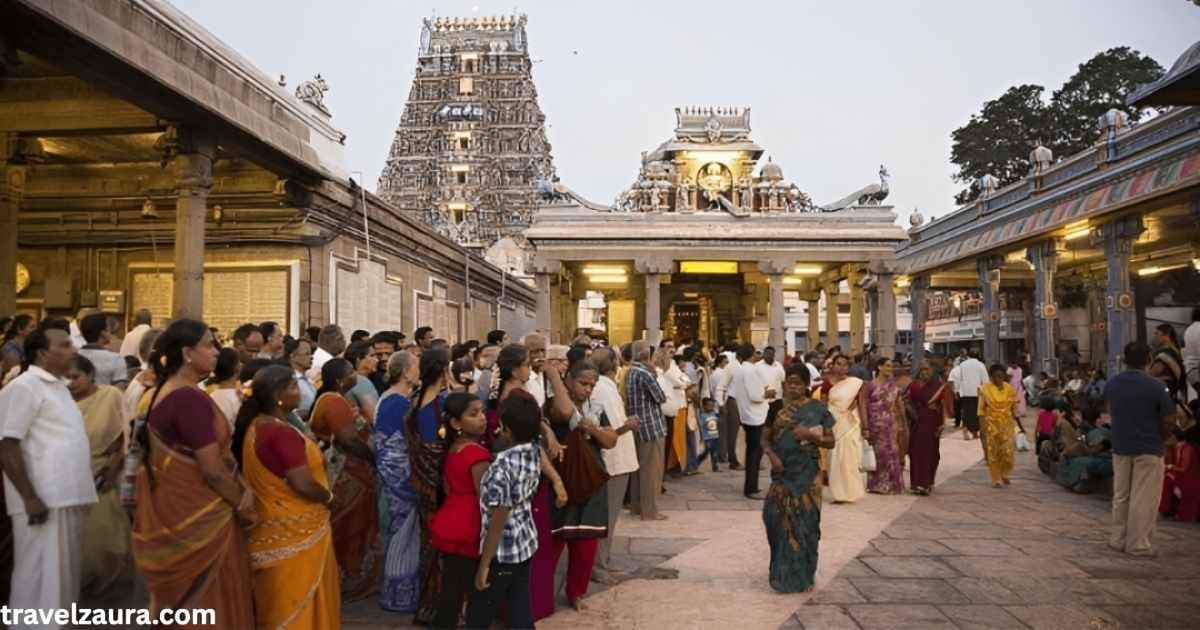
Visiting a Hindu temple as a traveler is a wonderful cultural experience, but a few etiquette rules help you show respect. Dressing modestly and removing shoes before entering are the most basic expectations at nearly every mandir.
Photography rules vary widely, so always check signage or ask a priest before taking pictures near the sanctum. Staying quiet during rituals and following the queue system also goes a long way in showing courtesy.
- Remove shoes before entering
- Dress modestly, covering shoulders and knees
- Avoid touching idols unless invited to
- Keep phones silent inside the sanctum
- Follow the direction of priests during ceremonies
Best Time to Visit a Hindu Temple for Travelers
Timing shapes the entire temple experience. A morning visit feels calm and prayerful, while a festival day bursts with color, crowds, and music. Travelers who plan around these rhythms get a much richer sense of daily Hindu life.
Daily Timing
Most temples open before sunrise and close late at night, with a break in the afternoon. Early morning darshan draws the fewest crowds and often includes the temple’s main aarti ceremony.
- Early morning (5:30 AM to 8:00 AM): quietest hours, ideal for first darshan
- Midday (12:00 PM to 4:00 PM): many temples close for a few hours
- Evening (6:00 PM to 8:00 PM): second aarti, often the most photogenic ceremony
- Late night: some temples hold a final prayer before closing the sanctum
Worship Symbols and Meanings
Symbols carry deep meaning in Hindu worship, often representing specific deities, virtues, or cosmic principles. A Hindu worship symbol is rarely just decorative; it usually holds layers of philosophical significance.
| Symbol | Meaning |
| Om | Primordial sound of the universe |
| Swastika | Auspiciousness and good fortune |
| Lotus | Purity and spiritual awakening |
| Trishul | Trident of Lord Shiva, power over past, present, future |
| Diya | Light overcoming darkness |
Do Hindus Worship Idols?
Yes, many Hindus worship idols, but the idol itself isn’t seen as god. Instead, it’s viewed as a physical form through which the formless divine becomes approachable for daily prayer.
Do Hindus Worship Cows?
Cows aren’t worshipped as gods, but they’re deeply respected as sacred and nurturing figures in Hindu culture. This respect stems from the cow’s symbolic connection to selfless giving and motherhood in ancient texts.
How Many Gods Do Hindus Worship?
Hinduism recognizes many deities, but most traditions view them as different expressions of one supreme reality, Brahman. So how many gods do Hindus worship really depends on the specific sect or family tradition being followed.
How Often Hindus Worship
Daily prayer at home is common, while temple visits often happen weekly, monthly, or during specific festivals. There’s no fixed rule, since how often do Hindus worship depends heavily on personal devotion and local customs.
Group Chanting and Kirtan
Kirtan is a form of devotional singing where groups chant hymns together, often accompanied by instruments like harmoniums and tabla. It creates a shared emotional experience that many devotees find more moving than solitary prayer.
These sessions happen in temples, community halls, and sometimes even private homes during festival seasons. The repetitive, rhythmic nature of kirtan is designed to quiet the mind and deepen focus on the divine.
Role of Priests and Gurus
Priests, known as pujaris, perform temple rituals and guide devotees through ceremonies with proper mantras and procedures. Their training often spans years, rooted in scriptural knowledge passed down through generations.
Gurus, on the other hand, offer spiritual guidance beyond ritual, helping devotees understand deeper philosophical teachings. Hinduism’s place of worship and holy book both matter here, since gurus often teach directly from texts like the Bhagavad Gita or Upanishads.
Whether you explore a grand temple in India, a small home altar, or a peaceful riverside ghat, understanding where do indians worship reveals a faith built on flexibility and personal connection. If you’re planning a spiritual trip, temples remain the most accessible starting point for travelers wanting to witness these traditions firsthand.
Frequently Asked Questions
What is a Hindu temple called?
A Hindu temple is called a mandir. It’s a sacred structure where deities reside, and it remains the most visited place where do Hindus worship communally.
Where do Hindus worship from?
Hindus worship from temples, home altars, riverbanks, and natural sites like mountains. Wherever devotion feels sincere, that space becomes valid for prayer and connection.
What are the 4 types of worship in Hinduism?
The four main types include Karma Yoga (action), Bhakti Yoga (devotion), Jnana Yoga (knowledge), and Raja Yoga (meditation). Each offers a distinct spiritual path.
Do Hindus worship on specific days?
Many Hindus observe specific weekdays for particular deities, like Monday for Shiva or Tuesday for Hanuman, though daily prayer remains common practice too.
What items are used during Hindu worship?
Common items include a diya (lamp), incense, flowers, water, and a bell. These simple offerings form the core of most puja ceremonies performed daily.
Conclusion
Where do Hindus worship? Anywhere devotion is genuine, from grand mandirs to a quiet home corner. Hindu worship at home remains the most common practice, while temples handle larger community rituals and festivals.
Where does Hindu worship typically take place for travelers exploring India? Start with iconic temples, then visit riverside ghats where where do indians worship dates back centuries. Where can hindus worship extends to mountains, rivers, and open courtyards too.
Types of worship in Hinduism vary by region, but Hindu worship symbol choices like Om and the lotus stay consistent. Whether how many gods Hindus worship or whether Hindus worship idols and cows, respect and curiosity make every temple visit meaningful.