
Imagine a temple where one god rests in three postures at once. Sounds impossible, right? You won’t find this anywhere else in Tamil Nadu. Tucked inside Madurai’s bustling streets lies this rare wonder.
Koodal Azhagar Temple, dedicated to Lord Vishnu, holds secrets most tourists never discover. This isn’t just another stop on your Madurai trip—it’s a piece of living history. Ask locals, “Koodal Azhagar Temple, which god?” and they’ll tell you: Vishnu, worshipped as standing, sitting, and reclining, all in a single sanctum.
Just 2 km from Meenakshi Amman Temple, the short distance makes it impossible to skip. Wondering about its age? The temple’s origins go back centuries, with its architecture often linked to the Pandya dynasty—raising the question of who exactly it was built by. Pair your visit with Thiruparankundram Temple (Thirupparamkundram Murugan Temple) and Azhagar Kovil for a complete divine circuit. Check the timings, pack your camera for unforgettable photos, and see why this temple still captivates visitors today.
Koodal Azhagar Temple History and Age
The Koodal Azhagar Temple history traces back to the Sangam period, with references found in ancient Tamil works like Paripadal and Silappadikaram. This makes the temple’s existence date back over 2,000 years, according to some historical accounts.
Talking about the Koodal Azhagar Temple age, historians note that the shrine was likely constructed around the 8th century CE or earlier. Over centuries, different dynasties expanded and enriched the temple structure.
Who Built Koodal Azhagar Temple
For the question of Koodal Azhagar Temple built by whom, most records point to the Pandya dynasty as the original builders. Later additions came from the Vijayanagar Empire and Madurai Nayak kings, who commissioned pillared halls and major shrines during the 16th century.
- Original construction: Pandya dynasty
- Later expansions: Vijayanagar Empire
- 16th-century additions: Madurai Nayak kings (pillared halls, mandapams)
Legend of Vishnuchitha and Thirupallandu
One of the most cherished stories tied to this temple involves the saint-poet Vishnuchitha. Legend says that Vishnuchitha, one of the twelve Alwars, argued passionately for the supremacy of Lord Narayana and once proved this point in the Pandya king’s court.
Following his victory, a miracle is said to have occurred. Sri Koodal Azhagar appeared and blessed Vishnuchitha, who then sang Thirupallandu in the Lord’s praise, a hymn still recited by devotees today.
Which God is Worshipped Here
At Arulmigu Koodal Azhagar Temple, the presiding deity is Lord Vishnu, worshipped locally as Koodal Azhagar. Answering the common question of which god is enshrined in Koodal Azhagar Temple, the temple enshrines Vishnu in three distinct postures within one complex.
The three figures of Vishnu appear in standing, sitting, and reclining postures, each carrying a different name and significance. This triple-posture feature is rare among Vishnu temples in South India.
Thayar, Andal and Other Shrines
Alongside the main sanctum, the temple houses the shrine of Goddess Madhuravalli (Thayar), the consort of the main deity. Small shrines of Lord Krishna, Lord Rama, Goddess Lakshmi, and Lord Narayana can also be found within the complex.
- Madhuravalli Thayar shrine (south side)
- Krishna and Rama shrines
- Additional Lakshmi and Narayana shrines
Temple Architecture and Ashtanga Vimanam
Built in classic Dravidian style, the temple stands out for its intricate carvings and colourful gopuram. A granite wall surrounds the entire temple, enclosing all its shrines, giving it a fortress-like, protected feel.
The temple’s vimanam (tower over the sanctum) is considered architecturally significant among Divya Desam shrines. Craftsmen used multiple layers of stonework and sculpture to depict deities, sages, and mythological scenes across the structure.
Rajagopuram and Vimanam Shadow Mystery
The temple has a five-tiered rajagopuram rising to a height of about 125 feet, making it visible from a distance across the cityscape. Local guides often mention a shadow phenomenon linked to the vimanam, though this remains more folklore than documented fact.
Visitors are welcome to ask temple staff about this local legend during their visit. It adds an intriguing layer to the architectural tour.
Rare Navagraha Shrine Inside Temple
Among the temple’s lesser-known features is a Navagraha (nine planetary deities) shrine, which many first-time visitors miss. It sits away from the main crowd flow, making it a quieter spot for prayer.
Devotees seeking blessings related to planetary influences often visit this shrine specifically. It’s worth setting aside a few extra minutes for it during your darshan.
Koodal Azhagar Temple Timings Today
If you’re checking Koodal Azhagar Temple timings today before heading out, the temple generally follows a split schedule. Visiting hours run from 5:30 AM to 12:00 PM and again from 4:00 PM to 9:00 PM.
For the most accurate Koodal Azhagar Temple Madurai timings, it’s best to call the temple office or check with your hotel concierge on the day of your visit, since festival days can shift the schedule.
| Session | Timing |
| Morning Darshan | 5:30 AM – 12:00 PM |
| Evening Darshan | 4:00 PM – 9:00 PM |
| Ideal visit duration | 1–2 hours |
Entry Fee and Special Darshan Cost
General darshan at the temple is free for all visitors. However, a nominal entry fee of around ₹20 per adult applies for Vimanam seva or special darshan, with young children usually granted free entry.
For Koodal Azhagar Temple, you typically don’t need to book tickets in advance. You can purchase tickets for special seva directly at the counter on the day of your visit.
Best Time to Visit Koodal Azhagar Temple
October to March is considered the best time to visit, thanks to cooler weather that makes walking around Madurai more comfortable. Early mornings and evenings are ideal even during warmer months.
Avoid the peak afternoon heat between 12 PM and 4 PM, when the temple is closed anyway. Weekday visits are generally less crowded than weekends and festival days.
You May Also Visit: Your Complete Guide to Visiting Palani Murugan Temple
Festivals Celebrated at Koodal Azhagar Temple
The temple comes alive during its annual festival calendar, drawing devotees from across Tamil Nadu. Four daily rituals and three yearly festivals are observed here, following the Tenkalai tradition of worship.
Vaikunta Ekadasi is another important occasion, along with smaller seasonal celebrations tied to the Tamil calendar.
Brahmotsavam and Float Festival
The fourteen-day annual Brahmotsavam, held during the Tamil month of Vaikasi (May–June), is the most prominent festival at this temple. Processions, decorated deities, and cultural events fill the temple grounds during this period.
The float festival, held in the temple’s sacred tank, is another highlight where the deity is taken around on a decorated float. Visiting during these weeks offers a completely different, festive side of the temple.
How to Reach Koodal Azhagar Temple
Getting here is straightforward since the temple sits right in central Madurai. Most visitors combine this trip with other major Madurai attractions in a single day.
For the Madurai to Koodal Azhagar Temple distance by any mode, the journey rarely takes more than 20–30 minutes from anywhere within city limits.
By Air, Train and Bus
- By Air: Madurai Airport (IXM) is roughly 12 km away, about a 20–30 minute drive
- By Train: For the Madurai railway station to Koodal Azhagar Temple distance, Madurai Junction is just 1.3 km away, walkable or a short auto ride
- By Bus: The temple is located next to the Periyar Bus Stand, making it easily accessible by local and intercity buses
Koodal Azhagar Temple Distance from Meenakshi Temple
One of the most searched questions is the Koodal Azhagar Temple distance from Meenakshi Temple. The two shrines sit close enough to visit back-to-back on foot or by a quick auto ride.
For the Meenakshi Amman Temple to Koodal Azhagar Temple distance, most estimates place it around 1 to 1.5 km apart, making it one of the easiest temple hops in the city.
Koodal Azhagar Temple to Meenakshi Temple Route
Here’s a quick breakdown of how to cover the Koodal Azhagar Temple to Meenakshi Temple route depending on your mode of transport.
| Mode | Approx. Time | Notes |
| Walking | 15–20 minutes | Easiest option, both in central Madurai |
| Auto-rickshaw | 5 minutes | Reachable in just about five minutes by auto |
| Cab/Taxi | 5–8 minutes | Convenient if travelling with family |
Nearby Temples to Visit
Madurai’s temple trail doesn’t stop here. A few nearby shrines pair perfectly with your Koodal Azhagar visit for a fuller cultural experience.
Most travelers combine two or three of these temples in a single day trip, especially if staying overnight in Madurai.
Meenakshi Amman Temple
The iconic Meenakshi Amman Temple, dedicated to Goddess Meenakshi and Lord Sundareswarar, is Madurai’s most famous landmark. Its towering, colourful gopurams make it one of India’s most photographed temples.
Thiruparankundram Murugan Temple
The Thiruparankundram Murugan temple, one of the six abodes of Lord Murugan, sits carved into a hillside a short drive from the city centre. It’s known for its rock-cut architecture and scenic surroundings.
Azhagar Kovil
Shared legends and rituals tie Azhagar Kovil, another important Vishnu shrine near Madurai, closely to the Chithirai festival and Koodal Azhagar Temple.
Crowd, Parking and Safety Tips
Crowds are generally moderate on weekdays and heavier during festival season and weekend evenings. Arriving during morning hours helps you avoid the biggest rush.
- Street parking is available near the temple, though space is limited during festivals
- Keep valuables secure, as the surrounding market area gets busy
- Follow queue lines during peak evening darshan hours
Dress Code and Temple Rules
Visitors must wear traditional, modest clothing inside the temple premises. Men should avoid shorts, and women should avoid sleeveless or short outfits.
Temple staff usually restrict photography inside the sanctum, so check with them before taking any pictures. You must remove your footwear before entering the temple complex.
Prasadam and Local Food Near Temple
After darshan, the surrounding streets offer classic Madurai food experiences. Try local filter coffee, idli-sambar, and the famous Madurai jigarthanda for a refreshing treat.
Small eateries near the temple also serve traditional South Indian thalis at budget-friendly prices, perfect for a quick meal between temple visits.
Koodal Azhagar Temple Photos
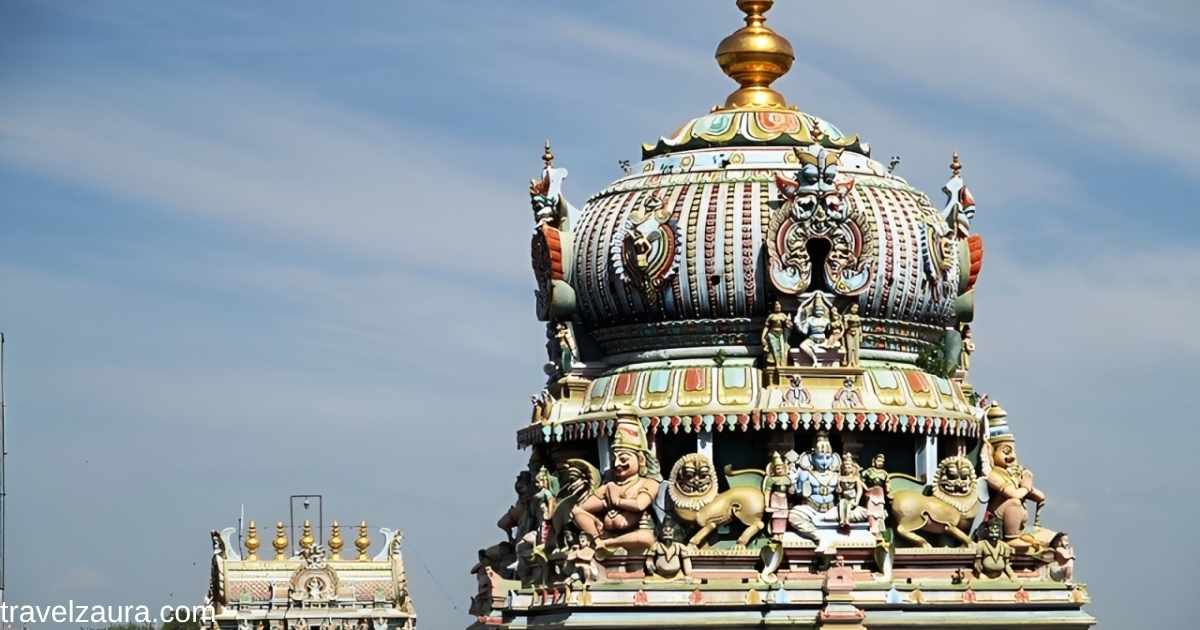
If you’re browsing Koodal Azhagar Temple photos online before visiting, you’ll notice the vividly painted gopuram and detailed stone carvings that make this temple visually striking. Arulmigu Koodal Azhagar Temple photos taken during festival season, in particular, capture the temple at its most vibrant.
For the best shots, photograph the gopuram in early morning light, but remember that certain sanctum areas may restrict photography.
Hidden Gems Inside the Temple
Beyond the main sanctum, keep an eye out for detailed pillar carvings depicting Lord Rama’s coronation scene and other mythological episodes. These are easy to miss if you’re moving quickly through the complex.
The temple’s inscriptions, some dating back centuries, are another overlooked detail worth a closer look if you enjoy history.
Budget Trip Plan for Madurai Temples
Madurai’s major temples are refreshingly affordable to explore, since most offer free general darshan. A reasonable daily budget covering transport, food, and minor entry fees runs quite low compared to other pilgrimage cities.
- Local transport (auto/bus): ₹200–400/day
- Food (3 meals): ₹300–500/day
- Special darshan/seva fees: ₹50–100 total
- Accommodation (budget hotel): ₹800–1,500/night
One-Day Madurai Temple Itinerary
For travelers with just one day, here’s a simple way to cover the essentials without rushing.
- Early morning: Meenakshi Amman Temple darshan
- Mid-morning: Koodal Azhagar Temple visit
- Afternoon: Lunch and rest, visit Thirumalai Nayakar Mahal
- Late afternoon: Thiruparankundram Murugan Temple
- Evening: Return for evening aarti at Meenakshi or Koodal Azhagar Temple
Based on Koodal Azhagar Temple reviews from past visitors, the peaceful atmosphere and smooth darshan experience make it a favourite stop on Madurai temple tours, especially when timed with the evening rituals.
Frequently Asked Questions
What is Koodal Azhagar Temple known for?
Koodal Azhagar Temple features a rare three-postured Vishnu shrine, boasts ancient Sangam-era history, and showcases a stunning Dravidian gopuram in central Madurai.
What is the entry fee for Koodal Azhagar Temple in Madurai?
General darshan at Koodal Azhagar Temple is free, while special Vimanam seva costs around ₹20 per adult, payable directly at the counter.
Why is Madurai called Koodal Nagar?
People call Madurai Koodal Nagar because ‘Koodal’ means meeting or gathering place, reflecting the city’s role as Tamil Nadu’s cultural and pilgrimage hub.
Is Koodal Azhagar Temple a divya desam?
Yes, Koodal Azhagar Temple is one of the 108 Divya Desams, sacred Vishnu shrines glorified by the Alvar saints in ancient Tamil hymns.
What is the significance of the three postures of Vishnu at Koodal Azhagar Temple?
Koodal Azhagar Temple uniquely depicts Vishnu in standing, sitting, and reclining postures within one complex, a rare feature among South Indian Vishnu temples.
What makes Azhagar Kovil so special?
Azhagar Kovil is special for its Chithirai festival connection, hillside location, and legendary ties shared with Koodal Azhagar Temple’s own Vishnu traditions.
Conclusion
Koodal Azhagar Temple, dedicated to Lord Vishnu, stands among Madurai’s most significant heritage sites, with history tracing back over a thousand years and construction credited to the Pandya kings. Located just 2 km from Meenakshi Amman Temple, it’s an easy stop when visiting Thiruparankundram Temple (Thirupparamkundram Murugan Temple) and Azhagar Kovil.
Timings are typically 6 AM–12 PM and 4 PM–8 PM, so plan your visit accordingly. Even today, the temple’s unique three-postured deity—standing, sitting, and reclining in one sanctum—draws devotees and history lovers alike. Carry a camera for stunning photos of its Dravidian architecture and towering gopuram. For a complete Madurai temple circuit, combine all four temples in a single day.