
Break a rule in Varanasi, and the punishment is swift. Legend says Lord Brahma learned that lesson himself. You’re standing where a god was once cursed for arrogance. This is the Kal Bhairav Temple Varanasi, the fierce guardian deity of the holy city, and no visit to Kashi is complete without bowing before him first. Locals will tell you that you must visit the main Kal Bhairav Temple in Varanasi before the Kashi Vishwanath Temple, or your pilgrimage simply doesn’t count.
Tucked away in the narrow lanes near Vishwanath Gali, this centuries-old shrine, often searched online as Kaal Bhairav Mandir Varanasi or in English, Kaal Bhairav Mandir Varanasi English, is one of the most powerful yet lesser-known stops on the Kashi pilgrimage trail. Whether you’re tracing the temple’s mysterious Kal Bhairav Temple Varanasi history, planning your route from Kal Bhairav Temple Varanasi to Kashi Vishwanath Temple, or simply craving the spiritual energy that spills over from nearby Assi Ghat, this temple deserves a place on your itinerary.
Kal Bhairav Temple Varanasi Overview
Kal Bhairav Temple Varanasi is one of the most powerful and revered shrines in the holy city of Kashi. Dedicated to Lord Kal Bhairav, the fierce guardian form of Lord Shiva, it draws pilgrims from across India every single day.
The temple sits in a narrow lane near Vishesheshwarganj and holds deep spiritual weight for locals and travelers alike. Many devotees consider a Kashi pilgrimage incomplete without a visit to this shrine.
Why Kal Bhairav Is Kotwal of Kashi
Locals often call Lord Kal Bhairav the “Kotwal” or police chief of Varanasi. According to belief, no pilgrim can settle in the city without his permission and protection.
This title reflects his role as the city’s protector and disciplinarian. Devotees believe he watches over Kashi and punishes wrongdoers, which is why they seek his blessing before any major visit or move to the city.
Kal Bhairav Temple History and Origin
The Kal Bhairav Temple in Varanasi traces its history back centuries, and it is closely tied to the city’s spiritual fabric. Renovations have shaped the current structure over time, though devotees consider the deity’s presence here ancient and self-manifested.
Records and local tradition place the temple among the oldest active shrines in Kashi. Historians and pilgrims alike treat the site as a living link to Varanasi’s religious past.
Mythology Behind Kal Bhairav
Hindu mythology describes Kal Bhairav as born from Lord Shiva’s anger to punish Lord Brahma for his arrogance. This fierce origin story explains why devotees approach him with both reverence and caution.
The legend also connects him to the concept of time itself, since “Kal” means time. Many believe he governs both life’s timing and its moral order.
Kal Bhairav Temple Varanasi Timings
The Kal Bhairav Temple Varanasi timings follow a fixed daily schedule that pilgrims should plan around. The temple opens early morning and closes late at night with a short midday break.
Below is a quick reference table for the temple’s opening and closing hours.
| Session | Timing |
| Morning opening | 5:00 AM |
| Midday break | 12:00 PM to 4:00 PM |
| Evening reopening | 4:00 PM |
| Closing time | 10:00 PM |
Always confirm the exact timing of Kal Bhairav Temple Varanasi locally, since festival days can shift these hours.
Morning and Evening Aarti Schedule
The morning aarti typically begins around 5:30 AM, right after the temple opens for the day. This is considered the most peaceful time to witness the rituals.
The evening aarti usually takes place around 7:00 PM and draws a larger crowd. Arriving thirty minutes early secures a better spot near the sanctum.
Best Time to Visit Kal Bhairav Temple
The best time to visit Kal Bhairav Temple Varanasi is during the early morning hours or the cooler months between October and March. Mornings offer a calmer atmosphere with shorter queues.
Winter months also make it easier to combine this visit with other Varanasi attractions on foot. Avoid peak summer afternoons, as the narrow lanes get crowded and hot.
Kal Bhairav Temple Varanasi Online Booking
Kal Bhairav Temple Varanasi online booking is not available as a formal government portal like some larger temples offer. Darshan here works on a first-come, first-served basis throughout the day.
For a smoother visit, some local platforms and guides offer assistance with skip-the-line arrangements informally. It’s best to check current details on-site, since the main Kal Bhairav Temple Varanasi does not run an official app-based booking system.
You May Also Visit: Murudeshwar Temple Timings 2026: Darshan & Aarti Guide
Dress Code and Entry Rules
Visitors must dress modestly inside the temple premises, covering their shoulders and knees, whether men or women. Visitors must remove their footwear before entering the main shrine area.
Leather belts, bags, and wallets are often not allowed near the sanctum and may need to be left at designated counters. Following these entry rules helps keep the darshan process quick and respectful.
Kal Bhairav Temple Mobile Phones Allowed
Visitors frequently ask whether Kal Bhairav Temple Varanasi mobile allowed or not is a real restriction, and the answer is generally no inside the sanctum. Phones and cameras are typically deposited at the entrance counter before darshan.
This rule helps maintain the sanctity of the inner shrine and prevents overcrowding near the deity. It’s wise to keep valuables minimal when visiting.
Photography Rules Inside Temple
Photography is strictly prohibited inside the main sanctum of the temple. Security staff actively monitor this rule throughout the day.
Visitors can, however, take photos in the outer courtyard and entrance areas in most cases. Always check with temple staff before pulling out a camera anywhere on the premises.
Rituals and Offerings at Temple
Devotees at Kal Bhairav Temple typically offer black sesame oil, coconut, and flowers as part of the daily rituals. Priests guide first-time visitors through the correct offering process.
Many pilgrims also tie a black thread on their wrist as a symbol of protection. Many people consider this ritual especially meaningful for those seeking relief from fear or hardship.
Liquor Offering Tradition
One unique tradition at this temple involves offering alcohol, usually a small amount poured before the deity. This practice is specific to Bhairav worship and differs from typical Shiva temple customs.
Temple priests handle this offering directly, so visitors simply hand over the item rather than pouring it themselves. It is considered a respectful, sanctioned part of temple ritual here.
How to Reach Kal Bhairav Temple
Reaching the temple is straightforward once you’re in Varanasi’s old city area. Most visitors combine this trip with other major ghats and temples nearby.
The table below covers common routes, distances, and travel times.
| From | Distance | Approx. Time |
| Varanasi Junction (Cantt) Railway Station | 4 km | 15-20 minutes |
| Kashi Vishwanath Temple | 1.2 km | 15-20 minutes on foot |
| Assi Ghat | 5 km | 20-25 minutes |
| Dashashwamedh Ghat | 2 km | 10-15 minutes |
| Lal Bahadur Shastri Airport | 26 km | 45-60 minutes |
Kal Bhairav Temple to Kashi Vishwanath Temple
The route from Kal Bhairav Temple Varanasi to Kashi Vishwanath Temple is short and walkable for most travelers. It covers roughly 1.2 kilometers through the city’s narrow lanes.
Many pilgrims follow tradition by visiting Kashi Vishwanath Temple Varanasi first and then heading to Kal Bhairav for a complete spiritual circuit. Auto-rickshaws are also available for those who prefer not to walk.
Festivals at Kal Bhairav Temple
People here celebrate Kaal Bhairav Ashtami as the biggest festival, usually in November or December. The temple sees massive crowds and special rituals throughout the day and night.
Sunday and Tuesday are also considered especially auspicious for Bhairav worship. Visiting on these days often means larger gatherings and a more festive atmosphere.
Nearby Places Near Kal Bhairav Temple
Several important sites sit within easy reach of the temple, making it simple to plan a fuller day of sightseeing. Most nearby attractions are walkable or a short rickshaw ride away.
Popular options include:
- Kashi Vishwanath Temple
- Vishalakshi Temple
- Manikarnika Ghat
- Local markets around Vishesheshwarganj
Assi Ghat Near Kal Bhairav Temple
Assi Ghat sits about 5 kilometers from the temple and is known for its peaceful morning aarti and riverside cafes. It’s a popular stop for travelers wanting a quieter Ganga experience.
Many visitors pair a sunrise visit to Assi Ghat with an afternoon trip to Kal Bhairav Temple. The route between the two offers a good glimpse of everyday life in Varanasi.
Main Kal Bhairav Temple vs Other Shrines
The main Kal Bhairav Temple in Varanasi stands out from the smaller Bhairav shrines scattered across the city. This primary temple near Vishesheshwarganj holds the most historical and religious significance.
Smaller neighborhood shrines exist for daily local worship but don’t carry the same pilgrimage weight. First-time visitors should specifically head to this main site for the complete experience.
Kal Bhairav Temple Ujjain vs Varanasi
Kal Bhairav Temple Ujjain and the Varanasi shrine both honor the same deity but hold different regional significance. The Ujjain temple is famous for its unique liquor-offering ritual as well, drawing its own dedicated pilgrim base.
The Varanasi temple, however, holds the distinct title of being Kashi’s guardian deity, which the Ujjain shrine does not carry. Both are worth visiting, but they serve different roles in Bhairav worship traditions.
Kaal Bhairav Mandir Photos and Architecture
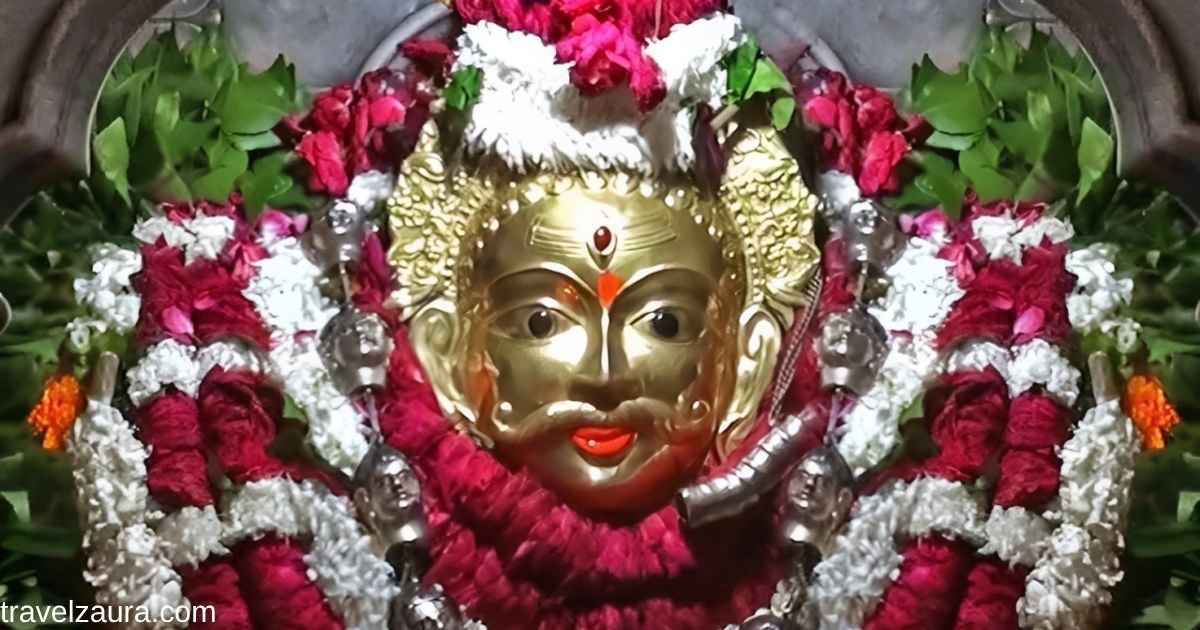
Kaal Bhairav Mandir Varanasi photos typically show a modest yet striking structure with traditional North Indian temple architecture. The sanctum features intricate silver work around the deity’s idol.
The outer courtyard has a simple, functional design suited to handling daily crowds of devotees. For those searching for Kaal Bhairav Mandir Varanasi English resources online, most travel guides and temple boards now provide basic information in English alongside Hindi.
Frequently Asked Questions
When should one visit the Kaal Bhairav Temple?
The best time to visit Kal Bhairav Temple Varanasi is early morning or in the winter months between October and March, when queues are shorter and the weather stays pleasant.
What are the opening hours of the Kaal Bhairav Temple in Varanasi?
Kal Bhairav Temple Varanasi opens at 5:00 AM, closes for a midday break from 12:00 PM to 4:00 PM, then reopens until 10:00 PM daily.
What are the visiting hours for the Kaal Bhairav Temple?
Visiting hours at Kal Bhairav Temple Varanasi run from 5:00 AM to 12:00 PM and again from 4:00 PM to 10:00 PM, with aarti in between.
What is offered at the Kaal Bhairav Temple?
Devotees visiting Kal Bhairav Temple Varanasi typically offer black sesame oil, coconut, flowers, and a black thread tied on the wrist for protection and blessings.
What offering is made to Kaal Bhairav?
A distinctive offering at Kal Bhairav Temple Varanasi includes a small amount of alcohol, handed to priests directly, alongside black sesame oil and coconut as customary items.
What is the significance of the black dog near Kaal Bhairav Temple?
Black dogs are considered Kal Bhairav’s sacred vehicle at Kal Bhairav Temple Varanasi, and feeding one nearby is believed to bring blessings and protection from harm.
Conclusion
Plan your visit around the Kal Bhairav Temple Varanasi timings, 5:00 AM to 12:00 PM and 4:00 PM to 10:00 PM, to avoid the midday closure. Since Kal Bhairav Temple Varanasi online booking isn’t available, arrive early for smoother darshan. The walk from Kal Bhairav Temple Varanasi to Kashi Vishwanath Temple takes just 15-20 minutes, making both shrines easy to cover in one trip.
Remember, whether Kal Bhairav Temple Varanasi mobile is allowed or not comes with a clear answer: phones stay outside the sanctum. Pair your trip with Assi Ghat for a peaceful morning, and if exploring further, Kal Bhairav Temple Ujjain offers a different regional take on the same deity. Kaal Bhairav Mandir Varanasi remains a must-visit stop in Kashi.