
Over a billion people bow before sacred flames every single day. You’ve probably seen the photos. But do you know the real story?
Every Hindu place of worship hides centuries of ritual, architecture and devotion. From towering mandirs to a quiet hindu worship at home corner, sacred spaces take many forms. Curious what a hindu place of worship name actually means, or where the hinduism place of origin truly began?
This guide breaks down Hinduism place of worship facts, explains what a Hinduism place of worship is called, and explores how the Hinduism place of worship and holy book connection shapes daily rituals. You’ll discover types of worship in hinduism, compare it with a buddhism place of worship, and even find Hinduism place of worship pictures and Hinduism place of worship drawing references worth exploring and planning a trip? Search Hinduism place of worship near me and start your journey today. With over 1.2 billion Hinduism followers worldwide, this is one travel story you don’t want to miss.
What Is a Hindu Place of Worship Called
People call a Hindu place of worship a Mandir, Temple, or Devasthanam depending on the region. In South India, people often call it Koil, while in the north, they commonly call it Mandir.
Many travelers search for the exact name of a Hindu place of worship before visiting a new city or state. Knowing the correct term helps you navigate local directions and signboards with ease.
Hinduism Place of Worship Meaning
The Hinduism place of worship meaning goes beyond a physical structure. It offers a sacred space where the divine presence resides and where devotees connect with God through prayer and ritual.
These spaces are designed using ancient architectural principles that align with cosmic energy. Every wall, door, and tower carries symbolic meaning rooted in scripture and tradition.
Types of Hindu Worship Spaces
Hindu worship is not limited to grand temples alone. It takes several forms depending on personal preference, location, and accessibility.
Understanding these types helps travelers and practitioners choose the right space for their spiritual needs, whether at home or on a pilgrimage.
Public Mandir or Temple
Public temples are large community spaces open to all devotees. They host daily rituals, festivals, and special ceremonies throughout the year.
Home Shrine and Altar
A home shrine is a small dedicated corner for daily prayer. This is where most hindu worship at home practices take place, using idols, photos, or symbols of chosen deities.
Sacred Rivers and Mountains
Nature itself is considered sacred in Hinduism. Rivers like the Ganges and mountains like Kailash serve as natural worship spaces for millions of devotees each year.
Hindu Place of Worship Name List
Below is a quick reference table for the most recognized worship space names across India and beyond.
| Region | Common Name |
| North India | Mandir |
| South India | Koil / Kovil |
| Bengal | Mondir |
| Nepal | Mandir |
| Formal Term | Devasthanam |
This hinduism place of worship name list is useful for travelers planning multi-state pilgrimage tours across India.
Inside a Hindu Temple Structure
Temple architecture follows a consistent design pattern across most regions of India. Each section has a specific ritual and symbolic function.
Understanding this layout enhances the visitor experience and helps travelers appreciate the spiritual significance behind each structure.
Garbhagriha: The Inner Sanctum
The Garbhagriha is the innermost chamber housing the main deity idol. Typically, only priests enter this sacred space during rituals.
Shikhara Temple Tower Explained
The Shikhara is the rising tower above the sanctum, symbolizing the cosmic mountain. Its height and design vary by regional architectural style.
Mandapa Entrance Hall Meaning
The Mandapa is the pillared hall where devotees gather before entering the sanctum. It is often used for community gatherings and cultural events.
You May Also Visit: Famous Indian Temple Guide: History, Architecture & Travel Tips
Murti: Deity Image Worship
Murti worship involves consecrated idols representing specific deities. Devotees believe the divine spirit is invoked into the murti through sacred rituals.
This practice forms the visual and emotional core of temple visits. Many travelers search for Hinduism place of worship pictures to see these murtis before planning their trip.
Step by Step Puja Ritual
A typical puja follows a structured sequence of devotional steps.
- Cleaning the worship area and idol
- Lighting a lamp or diya
- Offering flowers and incense
- Chanting mantras or prayers
- Distributing prasad to devotees
Hinduism Place of Worship and Holy Book
The Hinduism place of worship and holy book is central to daily rituals. Scriptures like the Vedas, Bhagavad Gita, and Puranas guide temple ceremonies and personal prayer.
Priests often recite verses from these texts during major festivals. This makes Hinduism’s place of worship and holy book valuable for understanding ritual meaning.
Temple Etiquette and Visiting Rules
Every temple follows a set of respectful visiting guidelines. Following these rules ensures a smooth and meaningful visit for first-time travelers.
Most rules are simple and focus on cleanliness, modesty, and respect for ongoing rituals inside the premises.
Dress Code for Temple Visit
Modest clothing covering shoulders and knees is expected at most temples. Some temples require traditional attire like sarees or dhotis for entry.
Shoes, Offerings and Prasad
Footwear must be removed before entering the temple premises. Devotees typically bring flowers, fruits, or coconuts as offerings to receive prasad in return.
Home Puja Setup Guide
Setting up a home shrine requires a clean, quiet corner facing east or north. A small altar with idols or photos, a diya, and incense is enough to begin daily worship.
Hindu Worship at Home Rituals
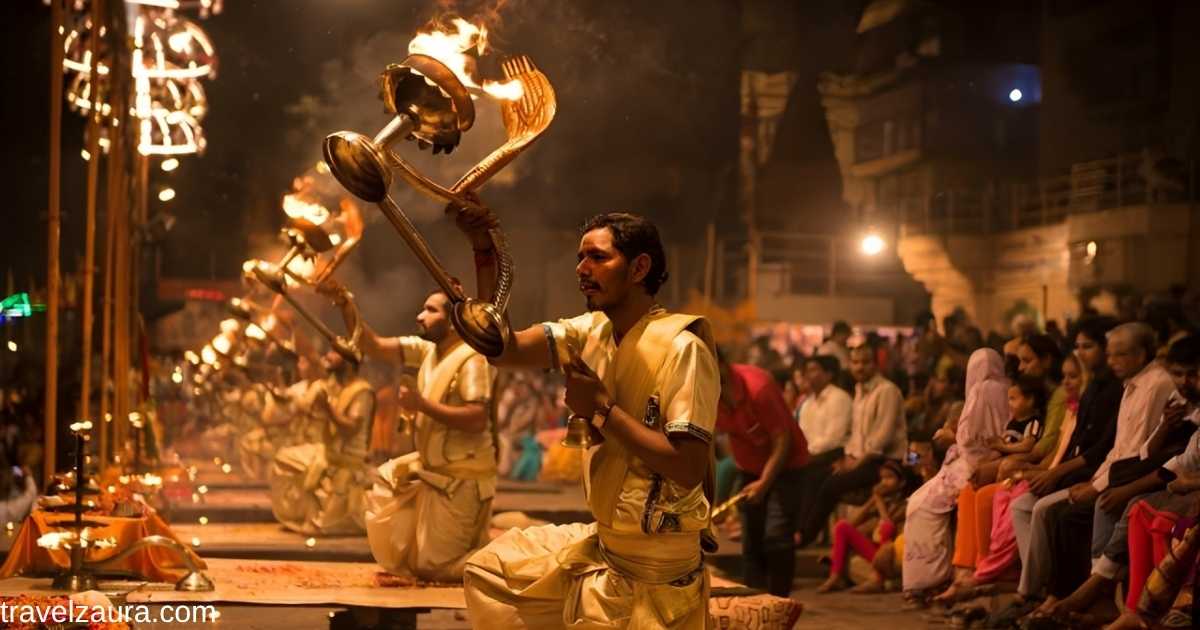
Hindu worship at home rituals are usually simpler than temple ceremonies but follow the same devotional spirit. Morning and evening prayers are the most common practice among households.
Many families combine short mantra chanting with lighting a lamp daily. This routine keeps the connection between home and temple worship consistent.
Comparison: Home Worship vs Temple
| Feature | Home Worship | Temple Worship |
| Setting | Personal altar | Public sanctum |
| Frequency | Daily | Occasional or festival-based |
| Rituals | Simple puja | Elaborate ceremonies |
| Priest Involvement | Rare | Common |
Types of Worship in Hinduism
Types of worship in Hinduism include Bhakti (devotion), Jnana (knowledge), Karma (action), and Yoga (meditation). Each path suits different personalities and spiritual goals.
Bhakti remains the most widely practiced form, especially in temple settings. It emphasizes emotional devotion through songs, prayers, and rituals.
Famous Hindu Temples Around the World
Hindu temples have expanded well beyond India, serving diaspora communities globally.
- Akshardham Temple, Delhi
- Sri Mahamariamman Temple, Malaysia
- BAPS Temple, New Jersey
- Pashupatinath Temple, Nepal
- Batu Caves Temple, Malaysia
Hinduism Place of Origin History
Hinduism’s place of origin traces back to the Indus Valley region over 4,000 years ago. It evolved through Vedic traditions before spreading across South and Southeast Asia.
This long history explains why temple architecture and rituals vary so widely between regions today.
Hinduism Followers Worldwide Statistics
Hinduism followers number over 1.2 billion globally, making it the third largest religion in the world. The majority live in India, Nepal, and growing diaspora communities worldwide.
Hinduism Place of Worship Facts
Here are some quick Hinduism place of worship facts worth knowing before your visit.
- Temples often align with cardinal directions
- Bells are rung to signal divine presence
- Many temples are UNESCO heritage sites
- Some temples date back over 1,000 years
- Kids often learn temple basics through school programs, similar to a hinduism place of worship ks2 style overview
Buddhism vs Hindu Place of Worship
A Buddhist place of worship is called a Vihara or Stupa, focused on meditation rather than deity worship. In contrast, Hindu spaces center around murti worship and ritual offerings, making the two traditions distinct despite shared regional roots.
Frequently Asked Questions
What is a Hindu temple called?
Hindus call their place of worship a Mandir or Temple, depending on region, and treat it as a sacred sanctuary for prayer, rituals and deity worship.
What is the most sacred place in Hinduism?
The most sacred hinduism place of worship include sites like Varanasi, Kedarnath, and Char Dham, believed to hold divine energy and grant spiritual liberation.
Where do Hindu gods stay?
Hindus believe gods reside within the Garbhagriha, the temple’s inner sanctum, through the consecrated murti or idol in a Hindu place of worship.
Can non-Hindus visit a Hindu place of worship?
Most temples welcome all visitors to a hinduism place of worship, though some inner sanctums may reserve entry for practicing Hindus during rituals.
Who is God in Hinduism?
Hinduism worships one supreme reality expressed through many deities like Shiva, Vishnu, and Devi, each honored at a dedicated Hinduism place of worship.
Conclusion
Every Hinduism place of worship tells a story of devotion, from grand mandirs to quiet home altars. Understanding what a Hindu place of worship name means helps travelers navigate temples across India confidently. Explore the Hinduism place of origin in the Indus Valley, then trace how types of worship in Hinduism evolved into today’s vibrant rituals.
Before visiting, review Hinduism place of worship facts, check Hinduism place of worship pictures online, and search Hinduism place of worship near me for nearby options. Compare traditions with a buddhism place of worship, or start simple with Hindu worship at home. With over a billion Hinduism followers, sacred texts, Hinduism place of worship, and holy book traditions remain deeply connected worldwide.