
Perched 150 feet above Mumbai’s chaos, one temple hides in plain sight. Most tourists walk right past it. You could be missing Mumbai’s most peaceful sunrise ritual. Locals climb 110 stairs before dawn for a reason. That reason? A self-manifested Shivling with centuries of legend behind it.
If you’re searching for Babulnath Mandir timings, you’re already ahead of the crowd. This hilltop Shiva temple near Girgaum Chowpatty isn’t just another stop on your Mumbai itinerary; it’s a spiritual escape hiding above the city’s busiest streets. Knowing the Babulnath temple aarti timings can transform a rushed visit into an unforgettable one, especially if you catch the Babulnath aarti timing during the lively evening ritual. Whether you’re checking the timing Babulnath Temple follows on festival days or simply need Babulnath Temple timings today, this guide has everything you need before you climb that hill.
Babulnath Temple Timings & Aarti Schedule
Babulnath Temple opening hours run from 5:30 AM to 10:00 PM every single day. Devotees searching for Babulnath Mandir timings today can rely on this schedule, since it stays fixed through the week.
The temple gates open before sunrise, and priests begin preparing the Shivling well ahead of the first aarti. This makes it easy to plan a visit around Babulnath Mandir timings in Mumbai regardless of which day you choose.
Daily Darshan Timings
The temple welcomes visitors from 5:30 AM to 10:00 PM daily, giving devotees a full day to complete their darshan timings visit. Working professionals often prefer early morning or late evening hours.
Morning & Evening Aarti Timings
The morning aarti runs from 5:30 AM to 6:30 AM, marking the start of daily worship. The evening aarti follows from 5:30 PM to 6:30 PM, drawing the largest evening crowd.
Afternoon Darshan Timings
The noon or afternoon session runs from 11:30 AM to 12:30 PM, ideal for visitors who cannot make it in the morning. A late-night aarti also takes place from 7:45 PM to 8:15 PM.
Sunday Darshan Timings
Babulnath temple timings on Sunday stay the same as regular days, from 5:30 AM to 10:00 PM. Sundays see heavier footfall since families visit together after the weekend begins.
Monday Darshan Timings
Babulnath temple timings on Monday follow the standard 5:30 AM to 10:00 PM window, but Mondays hold special value for Shiva devotees. An extra evening aarti slot runs from 8:00 PM to 10:00 PM on Mondays, making Babulnath Mandir Monday aarti timings unique compared to other weekdays.
Shravan Month Special Timings
During Shravan, the temple extends its hours and opens as early as 5:30 AM, while closing later at night to accommodate the surge of devotees. Special abhishekams and extended evening aartis are common through this holy month.
Mahashivratri Darshan Timings
Babulnath temple timings on Mahashivratri change completely, with the temple staying open through the night for continuous worship. Thousands of devotees arrive for overnight darshan, so arriving early avoids the longest queues.
Darshan Types & Pooja Offerings
Babulnath Temple offers multiple darshan options so devotees can choose based on time and preference. Each type gives a different pace and experience inside the sanctum.
From quick general darshan to more personal rituals, the temple accommodates both first-time visitors and regular devotees. Booking ahead helps during festival season.
Darshan Options at Babulnath
General Darshan is free and open to everyone during regular hours. VIP Darshan and Group Darshan options are available for devotees who prefer shorter queues, especially on weekends and festivals.
Pooja & Aarti Booking Details
Special pooja bookings, including Jal Abhishek, can usually be arranged directly at the temple or through the official Babulnath website. Priests guide devotees through each ritual step for a smooth experience.
Entry Fee & Special Darshan Cost
Babulnath Temple entry fee is free for all devotees under general darshan. A separate special darshan option exists for those wanting a faster, more private experience.
| Entry Type | Fee | Notes |
| General Entry | Free | Open to all devotees during temple hours |
| Special Darshan | ₹200 | Faster access, avoiding long queues |
| Lift Access | ₹1 | For elderly and differently-abled visitors |
108 Steps, Lift & Accessibility
Reaching the main shrine involves climbing a steep flight of stairs up Babulnath Hill. Many devotees consider the climb part of the spiritual experience, though it can be tiring in humid weather.
For those who cannot manage the stairs, the temple provides a lift for a nominal fee. This keeps the shrine accessible to elderly and differently-abled devotees throughout the year.
Climbing the 108 Steps
Sources commonly cite around 110 stairs leading up to the sanctum, a climb that takes roughly 10 to 15 minutes at a relaxed pace. Footwear stands near the base let visitors to leave their shoes before starting the walk up.
Lift Facility for Elderly Visitors
The lift for elderly and disabled devotees costs just ₹1 and runs throughout the day. It is especially useful during Shravan and Mahashivratri when the stairs get crowded.
Dress Code for Devotees
Babulnath Temple expects modest, respectful clothing from all visitors, in line with typical Hindu temple Mumbai customs. This helps maintain the sanctity of the space around the Shivling.
Shorts, sleeveless tops, and revealing outfits are generally discouraged inside the sanctum. Carrying a light shawl or stole is a practical option if needed.
What Men Should Wear
Men are expected to wear full-length trousers or traditional dhotis paired with a shirt. Avoid vests or sleeveless tops when entering the main shrine area.
What Women Should Wear
Women typically wear sarees, salwar kameez, or long skirts with covered shoulders. Comfortable footwear is helpful given the stair climb before entry.
Photography Rules Inside Temple
Photography is not allowed inside the main shrine, out of respect for the Shivling and ongoing rituals. Visitors can, however, take pictures outside the temple complex, including views of the hill and the sea. Following this rule quietly keeps the atmosphere peaceful for everyone praying inside.
Is Entry Open to Non-Hindus
Babulnath Temple welcomes visitors of all backgrounds, not only Hindu devotees. Tourists and travelers are free to enter, observe the aarti, and explore the temple grounds respectfully. The dress code and photography rules apply equally to all visitors regardless of faith.
How to Reach Babulnath Temple
Babulnath Temple sits on a hillock near Girgaum Chowpatty in South Mumbai, making it reachable by train, bus, taxi, or on foot. Its central location means most parts of the city connect easily.
Whether arriving by rail or road, the final stretch involves either walking up the stairs or taking the lift. Signboards near Chowpatty point visitors toward the temple entrance.
Nearest Railway Station & Distance
The Babulnath temple’s nearest station is Charni Road, located roughly a kilometer away. Babulnath Mandir Charani Road timings work well with the temple’s early opening, since trains run from early morning. Grant Road station is another nearby alternative, though slightly farther than Charni Road.
Nearest Airport to Temple
Chhatrapati Shivaji Maharaj International Airport is the nearest airport, located about 20 to 25 kilometers from the temple, depending on traffic. Taxis and app cabs are the easiest way to cover this distance.
Reaching by Road
BEST buses connect major parts of Mumbai to the Babulnath bus stop, with several routes passing through Chowpatty and Malabar Hill. Taxis and autos are also widely available for a direct drop near the base of the stairs.
Best Time to Visit Temple
Choosing the right time makes the visit far more comfortable, especially given the stair climb. Weather and crowd levels both play a role in deciding when to go.
Early mornings and late evenings tend to be calmer, while festival days bring large crowds and longer queues. Planning around the season helps avoid unnecessary waiting.
Ideal Months for Visiting
November to March offers the most pleasant weather, with lower humidity making the climb up easier. This period is widely considered the best time to visit Babulnath Temple.
Avoiding Monsoon Crowds
The monsoon months bring slippery stairs and higher humidity, making the climb more challenging. Visiting during drier months or using the lift is a practical way to stay comfortable during this season.
Hilltop View of the Arabian Sea
The climb up Babulnath Hill rewards visitors with sweeping views of the Arabian Sea and Girgaum Chowpatty below. The sea breeze and elevated vantage point make the temple grounds a peaceful spot beyond just darshan. Many visitors pause here briefly before or after their prayers to take in the coastline.
History of Babulnath Temple
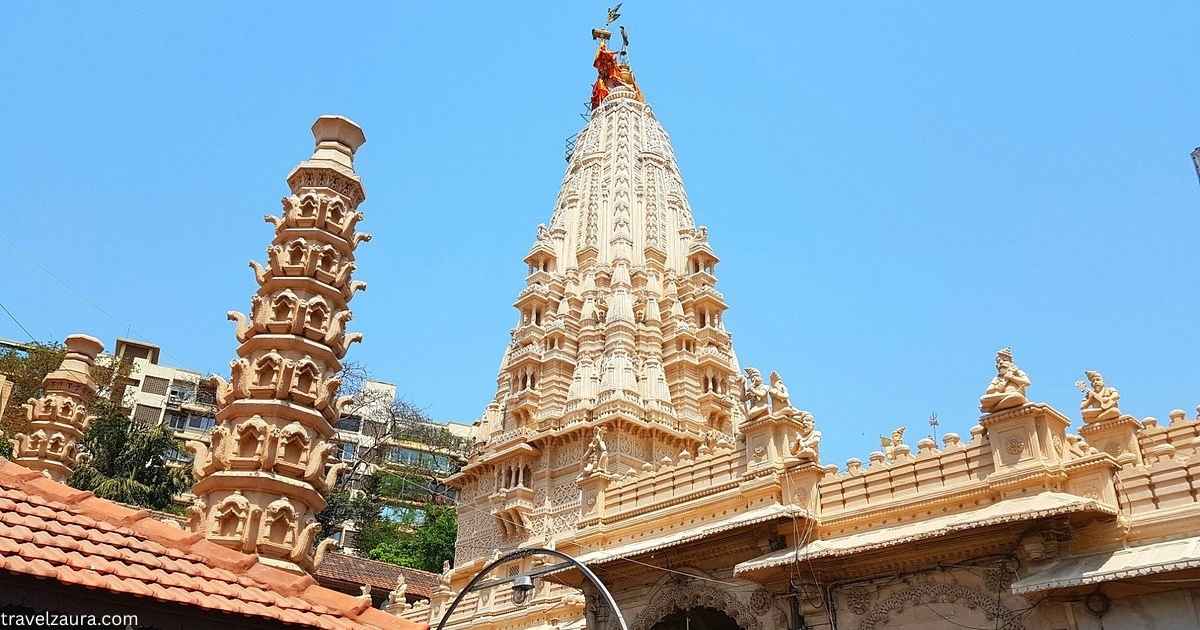
Babulnath Temple holds a special place among Mumbai’s oldest religious sites, dedicated entirely to Lord Shiva. Its story blends local legend with centuries of devotion.
The self-manifested Shivling at its core is central to why Shiva devotees consider this temple deeply sacred. Over generations, the site grew from a simple shrine into a well-known Mumbai landmark.
Legend of Babul the Cowherd
Local legend says a cow used to pour her milk daily near a babul tree on the hill, which led villagers to discover a Shivling hidden beneath it. This discovery is said to be how the temple got its name and its founding story.
12th Century Origins
While the current temple structure was built in 1890 by a Gujarati merchant, the site’s spiritual roots are believed to trace back to the 12th century. The tower was once the tallest structure in Mumbai before lightning damaged it.
Festivals Celebrated at the Temple
Babulnath Temple comes alive during major Hindu festivals, drawing devotees from across Mumbai and beyond. Special poojas and extended hours mark these occasions.
The temple’s festive atmosphere reflects centuries-old traditions tied to Lord Shiva temple worship. Each celebration brings its own rituals and crowd patterns.
You May Also Visit: Pedakakani Temple Guide 2026: Timings, Rahu Ketu Pooja, Booking
Mahashivratri Celebrations
Mahashivratri is the biggest event at Babulnath, with the temple staying open through the night for special festival darshan. Devotees gather in large numbers to honor Lord Shiva and Goddess Parvati together.
Kartik Purnima & Navratri
Kartik Purnima and Navratri also bring extra devotees and special evening aartis to the temple. These festivals add a festive energy to the otherwise quiet hilltop shrine.
Things to Do at Babulnath Temple
Beyond darshan, the temple offers a few meaningful ways to spend time on the hill. Meditation spots near the temple gardens make it easy to sit quietly after prayers.
Visitors can also explore small sculptures of Lord Ganesha, Hanuman, and Nandi within the complex. These quieter corners add depth to the overall visit.
Attending the Daily Aarti
Timing a visit around one of the daily aarti sessions is one of the best ways to experience the temple fully. The bells, chants, and lit lamps create a memorable atmosphere for first-time visitors.
Offering Jalabhishek to Shivling
Devotees often perform Jal Abhishek by offering water or milk directly onto the Shivling as a form of prayer. This ritual is considered especially meaningful during the Shravan month.
Travel Tips for First-Time Visitors
A few practical tips make the visit smoother for anyone heading to Babulnath Temple for the first time.
- Wear comfortable footwear since the stair climb takes 10 to 15 minutes
- Use the lift if climbing 110 stairs feels difficult
- Visit early morning or late evening to avoid the biggest crowds
- Carry a light shawl in case a shoulder covering is needed
- Keep loose change handy for the lift fee and any offerings
Nearby Attractions & Distances
Babulnath Temple’s location near South Mumbai puts several popular spots within easy reach. A short trip afterward can round out the visit nicely.
| Attraction | Distance | Timings |
| Girgaum Chowpatty Beach | 1 km | Open all day |
| Marine Drive | 2 km | Open all day |
| Kala Ghoda Arts District | 3 km | Varies by venue |
Frequently Asked Questions
What is the dress code for Babulnath Temple?
Devotees should wear modest, full-length clothing covering shoulders and legs. Checking Babulnath Mandir timings beforehand helps you plan a respectful, hassle-free darshan visit.
Why is Babulnath Temple so famous?
Babulnath Temple is famous for its self-manifested Shivling, hilltop sea views, and centuries-old legend. Devotees checking Babulnath Mandir timings visit for its peaceful, spiritual atmosphere.
Is the Babulnath Temple crowd today?
Crowd levels vary by day and season, peaking on Mondays and festivals. Checking Babulnath Mandir timings and visiting early morning helps avoid the biggest queues.
How many steps are there at Babulnath Temple?
Babulnath Temple has around 110 stairs to the shrine. Checking Babulnath Mandir timings helps you plan the climb, or simply use the lift instead.
Is Babulnath Temple closed in the afternoon?
No, Babulnath Temple stays open in the afternoon, with darshan from 11:30 AM to 12:30 PM. Babulnath Mandir timings run continuously until 10:00 PM daily.
Which metro station is near Babulnath Mandir?
Grant Road is the nearest metro station, about 1.5 km away on Line 3. Charni Road station is closer to Babulnath Mandir timings and access.
Conclusion
Planning a visit? Keep the Babulnath Mandir timings handy: the temple stays open daily from 5:30 AM to 10:00 PM. For the best spiritual experience, time your visit around the Babulnath temple aarti timings: the Mangala Aarti at 4:45 AM, Morning Aarti at 6:30 AM, and the vibrant Evening Aarti at 6:30 PM are must-see rituals.
If you’re wondering about the Babulnath aarti timing on Mondays or Sundays, expect the same schedule, though crowds peak on Mondays and during Shravan or Mahashivratri. Checking the timing Babulnath Temple follows before festivals saves you from long queues. For Babulnath Temple timings today, arrive early morning or late evening for a peaceful, uncrowded darshan and smoother access to the hilltop shrine.