
Some stone walls have outlasted entire empires. Yet millions walk past them daily, unaware.
You could be standing inside living history right now. Across India, temples older than most nations still breathe with devotion, incense, and centuries-old rituals.
From the marble carvings of temples in Rajasthan to the towering gopurams found in Bangalore, Chennai, Hyderabad, and Karnataka, every stone here holds a story. Head south toward temples near Salem, or explore the coastal charm of ancient temples in Goa. Debates around the world’s oldest Hindu temple and unverified 10,000-year-old temples in India only add to the mystery. Whether you’re browsing an ancient temples of India book or searching for sites near you, this guide covers every region worth visiting, including temples near Jodhpur, Rajasthan and ancient temples in Jaipur.
Ancient Temples in India Overview
India is home to some of the oldest surviving places of worship on Earth. These temples blend spiritual history with stunning architecture, drawing millions of visitors every year.
From desert forts in Rajasthan to coastal shrines in Goa, ancient temples in India reflect centuries of devotion, art, and local tradition. Each region offers a distinct style worth exploring at least once.
World’s Oldest Hindu Temple
Historians often point to Mundeshwari Temple in Bihar as a strong contender for the world’s oldest Hindu temple title, with roots tracing back over 1,600 years. Its stone carvings remain remarkably intact.
This site rarely makes mainstream travel lists, yet it offers a rare glimpse into early Hindu worship practices. Visiting here feels like stepping into a living history book.
Ancient Temples in India List
Building a shortlist helps travelers plan smarter instead of scrambling last minute. Below is a starter temples in India list covering must-visit regions.
- Rajasthan: Jodhpur and Jaipur temple circuits
- South India: Bangalore, Chennai, Hyderabad, Karnataka
- West India: Goa’s Hindu-Portuguese blended shrines
- East India: Bihar’s ancient stone temples
This list only scratches the surface, since India has thousands of documented sacred sites across every state.
You May Also Visit: Jain Temple New York: Where Is It and How Do You Visit?
10,000-Year-Old Temples in India
Claims about 10,000-year-old temples in India are common in folklore, though verified archaeological dating rarely supports timelines beyond a few thousand years. Most confirmed structures date between 1,500 and 2,000 years old.
Sites like Kashi Vishwanath in Varanasi are believed to have ancient origins even though the current structure was rebuilt after invasions. Local legends often stretch the timeline further than historical records confirm.
Ancient Temples in India by State
Temple architecture shifts noticeably by region. Rajasthan favors marble and sandstone carvings, while South India leans toward towering Dravidian gopurams.
| Region | Common Style | Known For |
| Rajasthan | Marble, sandstone | Intricate carvings |
| South India | Dravidian gopurams | Towering entrances |
| Goa | Indo-Portuguese | Blended architecture |
| East India | Stone masonry | Ancient inscriptions |
Ancient Temples in Rajasthan
Ancient temples in Rajasthan combine royal patronage with religious devotion, often built inside or near historic forts. The desert climate has helped preserve many structures remarkably well.
Marble craftsmanship here rivals anywhere in the country. Many temples double as architectural landmarks, drawing history buffs alongside pilgrims.
Ancient Temples Near Jodhpur, Rajasthan
Ancient temples near Jodhpur, Rajasthan sit close to the Blue City’s iconic fort, making them easy to combine into one day trip. Osian’s temple cluster is a standout, known for 8th-century Jain and Hindu shrines.
Most sites here are quiet and less crowded than bigger tourist hubs. Early morning visits offer the best light for photography.
Ancient Temples in Jaipur
Temples in Jaipur range from the hilltop Galtaji Temple to the centrally located Govind Dev Ji. Both offer a mix of spirituality and panoramic city views.
Jaipur’s temples are well maintained and tourist-friendly, with clear signage and accessible entry points. They pair naturally with the city’s palace circuit.
Ancient Temples in South India
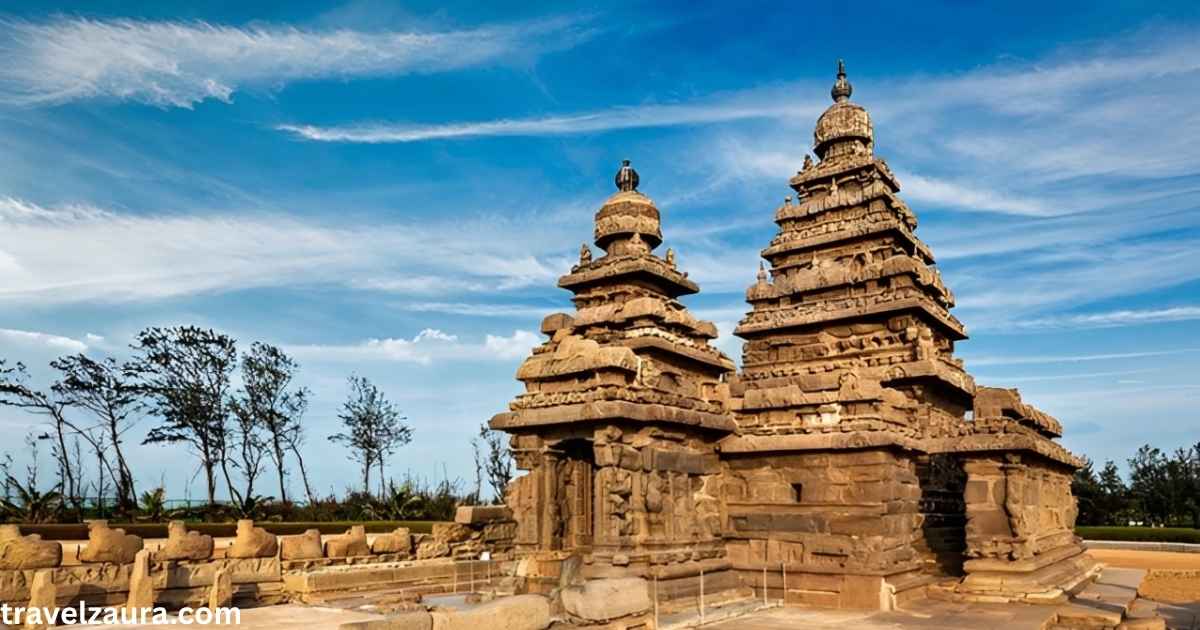
South India holds one of the densest concentrations of ancient temples in the country, many still functioning as active worship centers. The Dravidian style here is instantly recognizable.
Granite construction and detailed mythological carvings define this region. Several temples here are UNESCO-recognized for their historical value.
Ancient Temples in Bangalore
Temples in Bangalore include the Bull Temple and Gavi Gangadhareshwara, both dating back several centuries. They sit within the city, making them easy to reach without a long commute.
These sites remain active worship spots, so visitors should expect crowds during festivals. Weekday mornings are quieter for a relaxed visit.
Ancient Temples Around Bangalore
Just outside the city, ancient temples around Bangalore like Nandi Hills’ Bhoga Nandeeshwara Temple offer a quieter, more scenic alternative. It sits at the base of Nandi Hills, roughly an hour’s drive away.
This makes it ideal for a half-day trip combining nature and history. Fewer crowds mean more time to appreciate the carvings.
Ancient Temples in Chennai
Chennai’s Kapaleeshwarar Temple represents classic Dravidian architecture with a towering, colorfully painted gopuram. It sits in the heart of Mylapore, one of the city’s oldest neighborhoods.
Nearby Madurai’s Meenakshi Temple, though outside city limits, is often included in the same travel circuit for its scale and detail. Both sites reward a full morning of unhurried exploration.
Ancient Temples in Hyderabad
Ancient temples in Hyderabad often surprise first-time visitors given the city’s stronger association with Islamic architecture. Birla Mandir and the Chilkur Balaji Temple stand out as key exceptions.
Chilkur Balaji is especially known for its unique self-guided ritual of circling the sanctum. It draws steady crowds despite limited official promotion.
Ancient Temples in Karnataka
Beyond Bangalore, ancient temples in Karnataka at Hampi and Belur showcase some of the finest stone carving in Indian history. Hampi’s ruins alone justify a dedicated multi-day visit.
These sites function more as heritage monuments than active worship centers today. Guided tours here add valuable historical context.
Ancient Temples Near Salem
Ancient temples near Salem, particularly the Kottai Mariamman Temple, offer an authentic, less touristy alternative to bigger South Indian circuits. The town itself is a convenient stopover between Bangalore and Chennai.
Local guides here are easy to arrange and inexpensive. Visitors get a genuine sense of regional worship practices without the crowds.
Ancient Temples in Goa
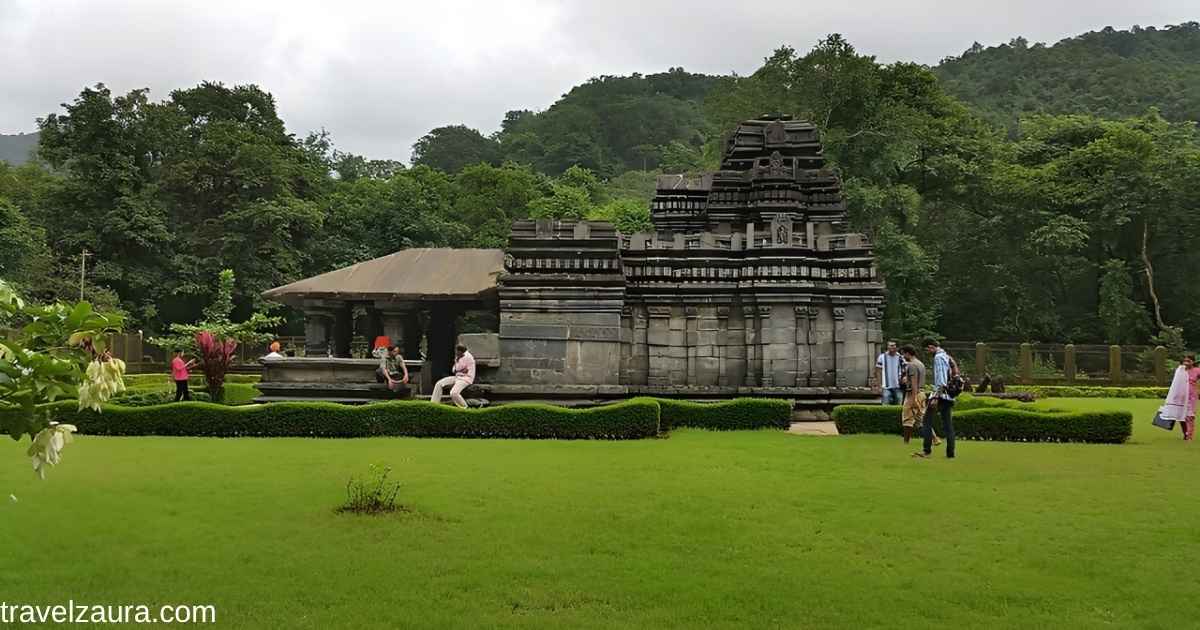
Ancient temples in Goa reflect a unique blend of Hindu tradition and Portuguese colonial influence, unlike anywhere else in India. Shri Mangeshi Temple is the most visited example.
Many original temples were relocated inland during Portuguese rule, giving them a distinct architectural footprint today. This history adds an unexpected layer to a typically beach-focused destination.
Ancient Temples Near Me: How to Find
Searching ancient temples near me works best through Google Maps combined with local tourism board listings. Filtering by “historical site” often surfaces smaller, lesser-known temples missed by generic searches.
Local guesthouse owners and auto-rickshaw drivers frequently know hidden sites not listed online. Asking locally remains one of the most reliable discovery methods.
Pictures of Ancient Temples With Names
Travelers searching for pictures of ancient temples with names usually want visual confirmation before booking a trip. Official state tourism websites and Wikimedia Commons offer accurately labeled, royalty-free images.
Instagram location tags are another useful source, since geotagged photos confirm both the name and exact location. This helps avoid confusion between similarly named temples in different states.
Best Time to Visit Ancient Temples
October through March offers the most comfortable weather for temple visits across most of India. Summer months bring intense heat, especially in Rajasthan and South India.
Festival periods draw larger crowds but offer richer cultural experiences. Travelers preferring quiet reflection should avoid major festival dates.
Entry Fees and Temple Timings
Most temples remain free to enter, though some charge a nominal fee for camera use or premium darshan access. Timings typically run early morning through midday, then reopen in the evening.
Popular sites like Meenakshi Temple have extended hours during peak season. Checking official timings in advance prevents wasted trips.
Darshan Rules and Dress Code
Modest clothing covering shoulders and knees is required at nearly every temple. Footwear must be removed before entering the main sanctum.
- Avoid leather items in some temples
- Photography may be restricted near the sanctum
- Men may be asked to remove shirts at specific shrines
How to Reach: Transportation Options
Major temple hubs are well connected by domestic flights, trains, and highways. Jaipur, Bangalore, Chennai, and Hyderabad all have international airports nearby.
Smaller temple towns often require a taxi or local bus from the nearest city. Pre-booking transport saves time during peak season.
By Flight, Train, and Road
Flights work best for long distances, while trains suit budget travelers covering multiple states. Road trips offer flexibility for exploring smaller, off-path temples between major cities.
3-Day Ancient Temple Itinerary
Day one can cover a major city temple circuit, day two a half-day trip to nearby lesser-known sites, and day three a longer excursion to a signature landmark like Hampi or Meenakshi.
This pacing balances travel time with actual sightseeing. Building in rest breaks prevents temple fatigue on multi-stop days.
Budget Breakdown for Temple Trip
Costs vary significantly by region, with South India generally cheaper than Rajasthan’s tourist-heavy circuits. Budget travelers can manage a comfortable trip on a modest daily spend.
Planning meals and stays around mid-range options keeps costs predictable without sacrificing comfort.
Travel, Stay, and Food Costs (Table)
| Category | Budget (INR/day) | Mid-Range (INR/day) |
| Local Travel | 300–500 | 800–1,200 |
| Accommodation | 800–1,500 | 2,000–4,000 |
| Food | 300–600 | 700–1,200 |
Hidden Gems: Lesser-Known Temples
Beyond famous circuits, small towns hide temples with minimal footfall and genuine local character. These sites often lack signage but reward curious travelers.
Asking local historians or university students in nearby cities is a reliable way to uncover these spots.
Local Food Near Ancient Temples
Temple towns typically serve vegetarian thalis and prasad-style meals near main entrances. South Indian temple towns are known for filter coffee and dosa stalls just outside complex gates.
Trying local prasad offers a genuine taste of regional tradition. Street food stalls nearby are usually inexpensive and freshly prepared.
Safety and Etiquette Tips
Keep valuables secure in crowded temple courtyards, especially during festivals. Follow queue lines and avoid touching idols unless explicitly permitted.
- Remove shoes before entering
- Maintain silence in prayer halls
- Avoid pointing feet toward deities
Packing Guide for Temple Visits
Pack modest clothing, comfortable slip-on footwear, and a light scarf for impromptu head coverings. Carrying hand sanitizer and small change for donations is also practical.
Sunscreen and a water bottle help during long outdoor temple walks, especially in southern states.
Ancient Temples of India Book Guide
For deeper research, the ancient temples of India book category includes titles like George Michell’s architectural surveys and regional ASI publications. These offer historical depth beyond what travel blogs typically cover.
Local temple gift shops often stock smaller regional guides not available online. These make useful souvenirs and reference material for return trips.
Frequently Asked Questions
How Many Ancient Temples Does India Have?
India has thousands of ancient temples, with estimates suggesting over 2 million active temples nationwide. Many trace their origins back centuries, reflecting the country’s deep-rooted architectural and spiritual traditions.
Which Is the Oldest Temple in History?
Göbekli Tepe in Turkey is widely considered the oldest known temple, dating back roughly 11,000 years. Among ancient temples still standing, Mundeshwari Temple in India ranks among the oldest surviving Hindu structures.
Which Temple Is 10,000 Years Old in India?
No verified ancient temples in India are confirmed at 10,000 years old through archaeological dating. Most authenticated structures date between 1,500 and 2,000 years, though local folklore often claims older origins.
Is There Any Temple 5000 Years Old?
Some scholars link certain Indian temple sites to Indus Valley-era worship practices, roughly 4,500 to 5,000 years old. However, most standing ancient temples date to considerably more recent construction periods.
Which Temple Is 8000 Years Old?
No confirmed ancient temples exist with verified 8,000-year-old construction dates. Claims like this usually stem from oral tradition rather than archaeological evidence, which typically places India’s oldest temples within the last 2,000 years.
Conclusion
Ancient temples in India offer far more than history; they deliver living culture, architecture, and spirituality across every region. From ancient temples in Rajasthan near Jodhpur and Jaipur to temples across South India in Bangalore, Chennai, Hyderabad, Karnataka, and Salem, each site tells a distinct story.
Ancient temples in Goa add a rare Indo-Portuguese twist rarely found elsewhere. Claims about 10,000-year-old temples in India remain unverified, but the world’s oldest Hindu temple debate keeps historians engaged. Use pictures of ancient temples with names to plan visually, reference an ancient temples of India book for depth, and search nearby listings to uncover hidden gems close to your next stop.