
Alamelu Mangapuram is the Tiruchanur shrine where devotees worship Goddess Padmavathi, the consort of Lord Venkateswara. Located in Andhra Pradesh, it is also known for the tradition that Sri Padmavathi appeared on a lotus. Many pilgrims visit Tiruchanur before continuing to Tirumala, though this is a religious tradition, not a compulsory itinerary.
The goddess is also called Alamelu Manga, and her connection with Lord Venkateswara makes the shrine an important stop on many Tirupati pilgrimages. If you are planning your first visit, the alamelu mangapuram temple timings are only one part of the day to consider. Leave room for worship and the journey between places, especially if you have a separate onward plan. Treat the visit as a separate stop in your pilgrimage plan, since darshan, travel, and any seva all take time.
Alamelu Mangapuram Temple Timings: What Are the Daily Darshan Hours?
The listed hours do not agree, so check the schedule for your exact visit date rather than relying on a single opening time. The temple’s sarva darshan is its general darshan option, separate from participation in a seva.
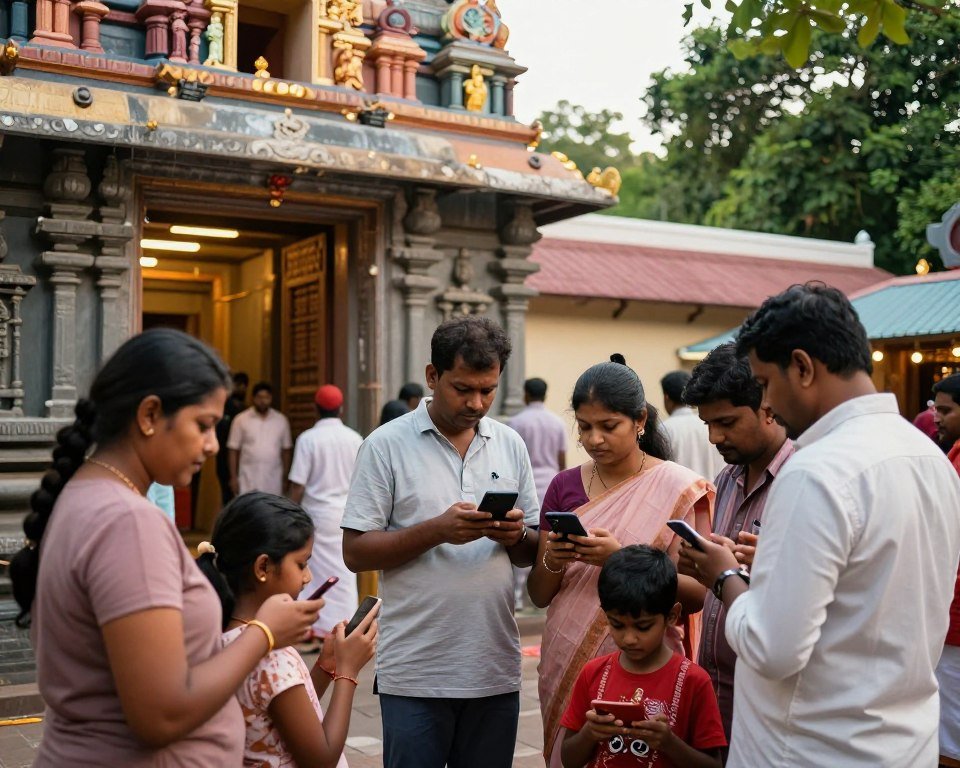
Published timings differ substantially, so confirm the day’s hours with TTD before leaving. The listings below show why a single answer to “Padmavathi Temple Tirupati timings today” can mislead. They report different opening times, closing times, and day patterns, and none should be treated as a guaranteed current timetable.
Published timings differ substantially, so confirm the day’s hours with TTD before leaving.
| Schedule description | Day pattern | Listed opening time | Listed closing time |
|---|---|---|---|
| General temple hours | Days other than Friday | 6:30 AM | 9:00 PM |
| General temple hours | Friday | 8:00 AM | 9:00 PM |
| General temple hours | Days other than Friday | 4:50 AM | 9:30 PM |
| General temple hours | Friday | 3:00 AM or 3:30 AM | 9:30 PM |
| Temple hours | Days not specified | 2:30 AM | 1:30 AM |
Other timings also vary. Reported sarva darshan windows include 5:25-6:00 AM, 7:30 AM-noon, noon-6:00 PM, and 7:00-8:45 PM. These windows are not necessarily offered every day.
Friday darshan timings are listed as 7:00-8:45 PM in one schedule and 7:30 AM-8:45 PM in another. Suprabhata Seva is listed for 5:00-5:30 AM on regular days and 3:30-4:00 AM on Fridays. Kalyanotsavam is listed at 10:30-11:30 AM, and Ekantha Seva at 9:00 PM.
If you are looking up the Padmavathi Ammavari Temple in Tirupati, use TTD’s current information for your specific day. The time shown in an older listing may not match the hours or darshan window in effect when you arrive. Confirm the day’s darshan window before travelling, especially if you are planning to arrive early or on a Friday.
Which Darshan and Pooja Sevas Can You Join?
General darshan is the simplest option, while sevas such as Kumkum Archana and Abhishekam have their own days, times, and ticket arrangements. Choose sarva darshan if you want general temple darshan rather than a scheduled ritual.
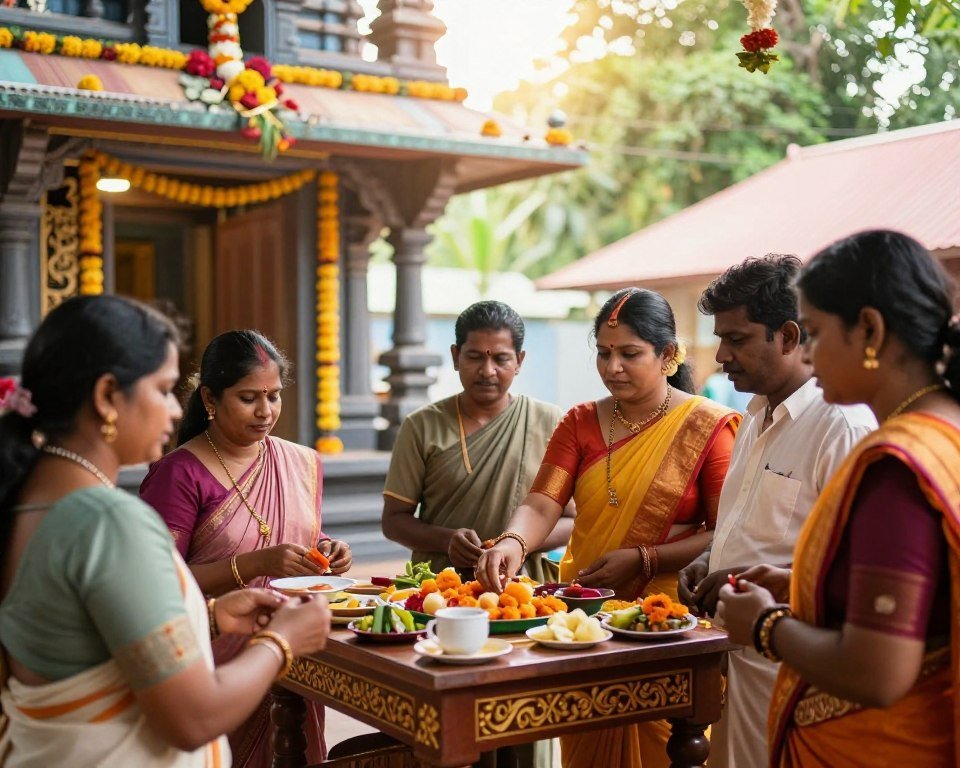
Seva times and ticket prices in published listings conflict, so check current details with TTD. These examples help you compare rituals, but they are not confirmed current rates or participation terms.
| Seva | Listed day | Listed time | Listed ticket price |
|---|---|---|---|
| Kumkum Archana | Daily | 12:30-4:45 PM | Rs.200 per person |
| Abhishekam | Friday | 5:30-7:00 AM or 4:30-6:00 AM | Rs.400 per person |
| Vastralankarana | Not specified | Not specified | Rs.1,000 per family or Rs.10,000 |
| Astadala Pada Padmaradhana | Monday | 6:45 AM | Rs.300 or Rs.1,500 |
| Tiruppavada | Thursday | 7:00 AM | Rs.600 or Rs.3,000 |
Other listed sevas include Suprabhatham and Sahasra Nama Archana at Rs.25 each, Kalyanotsavam at 10:30 AM for Rs.500, and Unjal Seva at 5:00 PM for Rs.116. Ekantha Seva is listed at Rs.25, Abhisheka Ananthara Darshan at Rs.10, and Lakshmi Pooja on Fridays at 9:00 AM for Rs.116.
Pushpaanjali is listed on Saturdays at 6:45 AM for Rs.1,500, Sahasra Deepa Alankara on Fridays at 5:00 PM for Rs.50, and Astothara Satha Kalasabhishekam on the month’s first Wednesday for Rs.2,000. Annual offerings include Vasanthotsavam in May, Pavithrotsavam in September, Lakshmi Kumkum Archana during Brahmotsavam Ankurarpana, Pushpa Yagam at Panchami Theertham, and Varalakshmi Vratham in August. Listed prices are Rs.300, Rs.1,500, Rs.1,116, Rs.500, and Rs.500, respectively.
Some listings describe counter ticket purchases a day ahead or on the same day. TTD also has an official booking portal, but the current booking process can differ by seva. For a broader look at ritual visits at other shrines, see this guide to Lakshmi Ganapathi temple rituals. Check the current seva schedule and price with TTD before paying or travelling for a specific ritual.
How Far Is Tiruchanur From Tirupati, and How Do You Get There?
Tiruchanur is about 5 km from Tirupati Railway Station, making it a short city transfer rather than a trip to the hill shrine. The Tiruchanur temple is also about 5 km from Tirupati Bus Stand and 14.2 km from Tirupati Airport.
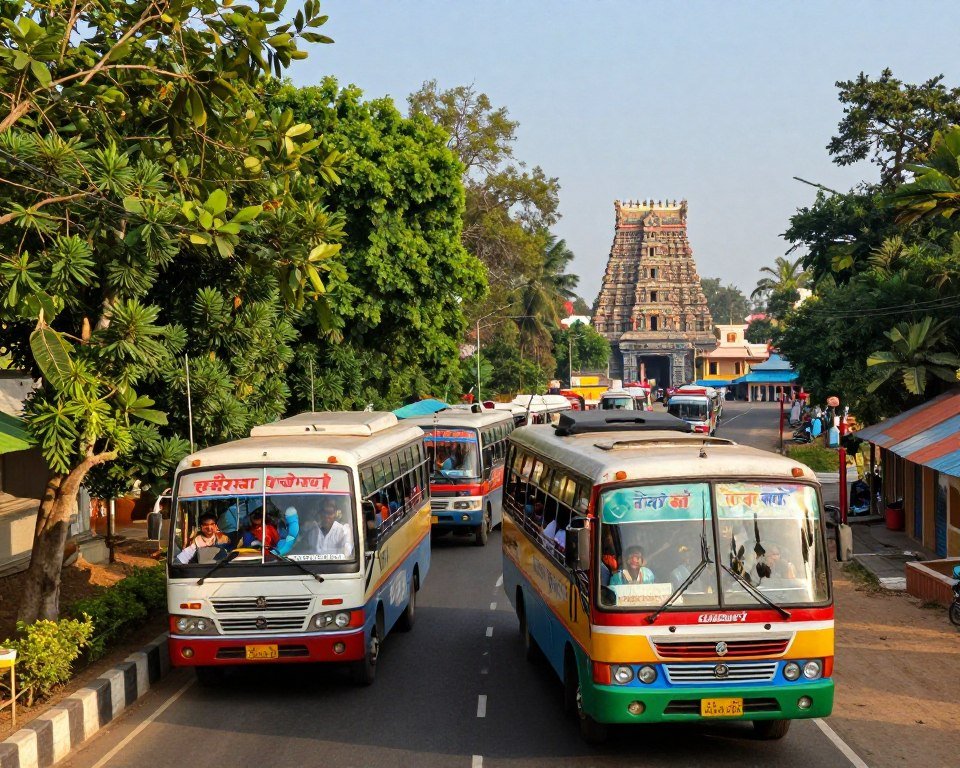
Tiruchanur is about 27 km from the Tirumala Tirupati Balaji Temple, which is a separate hill journey. A drive from central Tirupati to the shrine is described as roughly 15-20 minutes, depending on road traffic. Allow 1-2 hours for the visit including travel, and add more time if you expect congestion or have a fixed temple darshan slot.
You can choose from these common transport options:
- APSRTC or city bus: APSRTC buses connect Tirupati and Tiruchanur, with one listing reporting service every 15 minutes. Route 5 city buses are also listed.
- Auto-rickshaw or shared auto: Autos offer a direct city transfer, and shared autos may suit you if you are travelling light.
- Taxi or cab: A cab can take you directly from the railway station, bus stand, or airport, with travel time shaped by traffic.
If you are comparing places around Tirupati, Srikalahasti is another pilgrimage stop, about 36 km from the city. Its Rahu Ketu Pooja guide covers that temple’s ritual visit, not services at Sri Padmavathi’s shrine.
For a current contact number, check TTD’s official portal rather than relying on a number copied into an old listing. The distance from Tiruchanur to central Tirupati is manageable, but your onward plan may involve a much longer road transfer. Allow extra road time if you are connecting this stop with a fixed Tirumala darshan slot.
What Should You Know About Entry, Tickets, and Temple Etiquette?
Check the entry rules and booking process before leaving, because a darshan ticket listing does not confirm that the same option is available on your visit day. Current availability matters more than an old price or counter schedule.
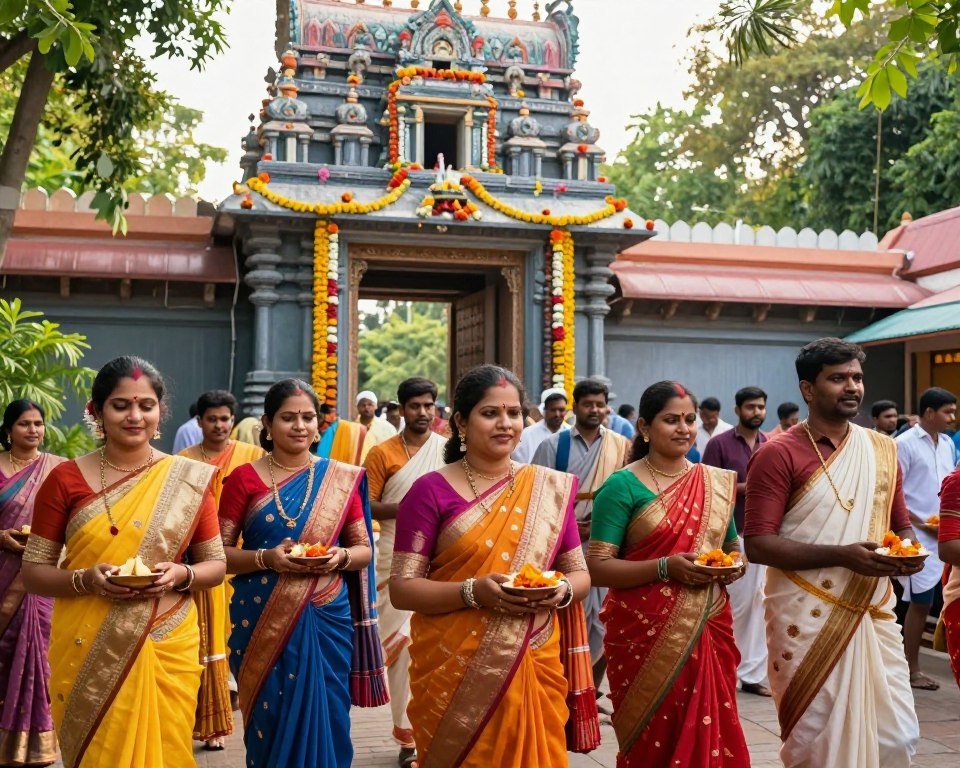
Ticket prices and booking arrangements differ across listings, so confirm them through TTD or at the temple. General darshan is listed as free, while entry listings show VIP entry at Rs.100, special entrance at Rs.10 or Rs.20, quick darshan at Rs.40, and another special-entry option at Rs.200. These figures do not confirm what will be available on your visit day.
Some listings say the ticket counter opens at 4:50 AM, and some seva tickets are described as available on the same day or a day ahead. The TTD portal is ttdevasthanams.ap.gov.in. Abhishekam and Vastralankarana listings state that you should submit ID proof at the counter a day before the seva. Check the current instructions before making plans around those requirements.
The stated entry rule allows only Hindus inside the temple. The Hindu-only entry rule is important to know before you travel with a mixed-faith group. Women are advised to wear a saree, half-saree, or salwar kameez with a dupatta. Men are advised to wear a dhoti or other traditional attire.
Keep this short checklist in mind before setting out:
- Confirm your entry eligibility and the hours for your visit day.
- Check booking details and any ID requirements for your chosen seva.
- Wear traditional attire that follows the temple’s stated dress guidance.
- Leave unnecessary electronics behind, and check current instructions for belongings.
Tradition holds that devotees worship Sri Krishna before taking darshan of Sri Padmavathi. Mobile phones and cameras are generally not permitted inside the main hall, though rules for specific areas may be posted separately. Follow temple signs and staff instructions, and keep your phone and camera put away unless temple staff or posted rules explicitly allow them in a particular area.
When Is the Best Time to Visit, and How Can You Check Crowd Conditions?
For a calmer visit, choose an ordinary weekday rather than a Friday, weekend, or major festival date. Weekdays are generally a better bet for a smoother visit, while major observances can bring larger crowds.
Check the live-status page shortly before departure, and do not treat an old sync time as today’s queue report. A crowd display marked “Live Now” was synced on Friday, June 12, 2026. That timestamp does not establish present crowd conditions or tell you how long today’s wait will be.
Check the live-status page shortly before departure. A June 12, 2026 sync does not establish today’s queue conditions.
Fridays, Saturdays, Sundays, public holidays, and major festival days are reported as busier. Higher crowds are also associated with Navaratri, Varalakshmi Vratham, Vaikunta Ekadasi, Vaikunta Dwadasi, January 1, Ugadi, and other festival days. If your visit falls on one of these dates, leave more flexibility in your plans.
The festival calendar includes Vasantotsavam in May and Theppotsavam in June. Varalakshmi Vratham is observed in August, followed by Pavithrotsavam in September. Navaratri falls in September or October, and Karthika celebrations take place in November or December.
Brahmotsavam at Padmavathi Ammavari Temple is celebrated during Karthika Masam. A festival date can bring a different schedule from an ordinary day, so crowd information alone is not enough. Check the timetable as well as the crowd update before travelling, particularly if you have arranged other plans around your visit.
Use the live-status page close to the time you leave, since a crowd reading can change after an earlier check. A quieter weekday is a practical choice, but it cannot guarantee an empty temple. Check both the day’s darshan schedule and the freshest crowd update before committing to a tight onward itinerary.
Conclusion
A smooth Tiruchanur visit starts with a realistic travel window and a confirmed schedule. The shrine is a nearby but distinct stop on a Tirupati pilgrimage, so leave enough time for the city transfer and your visit.
Published hours and ticket details can differ, and festival days may follow a changed timetable. Your next step is to confirm the date-specific schedule and ticket process through TTD. Check TTD’s current details for your chosen date before you set out.