
A crow once cursed a sage, and a thousand-year-old temple was born. You’re standing where legend meets living faith. Locals call it kakani temple, and its name alone carries centuries of devotion.
At Pedakakani Temple, devotees don’t just pray; they seek relief from planetary curses that have haunted them for years. If Rahu and Ketu have disrupted your career, health, or peace of mind, this ancient Shiva shrine near Guntur might hold your answer. Thousands travel here for the powerful pedakakani temple rahu ketu pooja timings, timed precisely to each day’s Rahukalam window for maximum spiritual effect.
Knowing the right pedakakani temple timings and kakani temple timings can mean the difference between a rushed visit and a truly transformative one. This guide gives you everything you need, so you don’t miss the moment thousands of pilgrims swear changed their lives.
Pedakakani Temple History and Legend
Pedakakani temple history stretches back over a thousand years. The original Shiva Linga is believed to have been installed by Sri Adi Shankaracharya, and the temple was later renovated by Sri Krishnadevaraya of the Vijayanagara Empire in 1440 AD.
The name Kakani comes directly from temple legend, and the site remains one of the most visited Shiva temples in the Guntur region today.
Legend of Sage Bharadwaja and Kakasura
According to legend, Sage Bharadwaja Maharshi once performed a great Yagna here, inviting other sages to join. During the offering, a crow began eating the sacred Havissu meant for the Yagna Purushas.
The crow revealed itself as Kakasura, cursed into that form, and asked the sage to perform Abhishekam using holy water and Panchamrita to lift the curse. After the Abhishekam with jasmine flowers, the deity came to be known as Sri Malleswara Swamy, and the region became famous as Kakani.
Temple Architecture and Main Deity
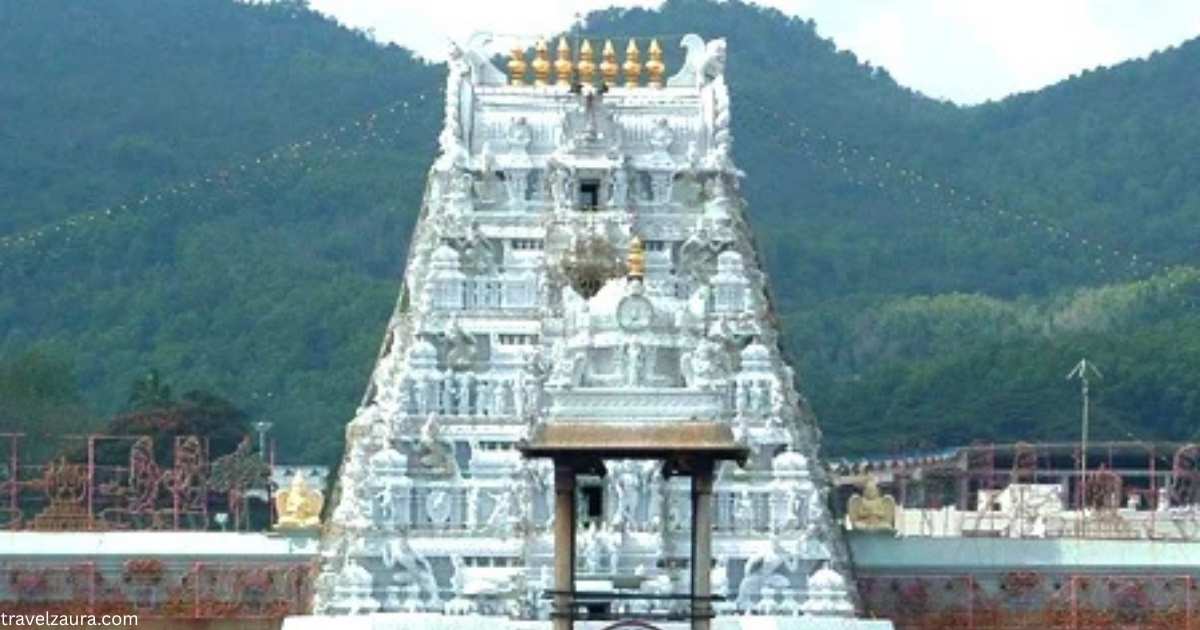
Malleshwara, an incarnation of Shiva, is the main deity, also known by the names Jayasena and Mallikarjuna, and faces the east direction as a Shiva Lingam. The complex features a 60-foot Rajagopuram, a large Dhwajasthambam, and the Addala Mandapam, with gardens giving it a Srisailam-like setting.
The temple is built in the Dravidian rock-cut style, and a temple tank called Basava Theertha sits in front of the main shrine.
Shrines of Bhramaramba and Subramanya
There are separate shrines for Goddess Bhramaramba Devi and Lord Subramanya within the temple complex. Bhramaramba Devi is regarded as one of the Ashtadasa Sakthi, while Sri Malleswara Swamy is counted among the Jyothirlingams associated with Srisaila Kshetram.
Pedakakani Temple Darshan Timings 2026
Pedakakani temple timings follow a consistent daily schedule, with a midday break for temple rituals. Always confirm timings by phone before a long-distance trip, since festival days can shift the schedule.
| Darshan Session | Timings |
| Morning Darshan | 5:00 AM – 1:30 PM |
| Evening Darshan | 4:00 PM – 8:00 PM |
Major Festivals at Pedakakani Temple
The temple celebrates Maha Shivaratri, Maasa Shivaratri, Pradhosha Pooja, Arudra Darshan, and Brahmotsavam every year with great devotion. Navratri and Kartika Masam also draw large crowds, with special poojas held on Amavasya and Poornima days.
If you want a quieter darshan, avoid these festival dates. If you want to witness temple traditions at their fullest, plan your visit around Maha Shivaratri.
Rahu Ketu Pooja at Pedakakani Temple
The Pedakakani Temple Rahu Ketu Pooja is the single biggest reason pilgrims travel here. The temple holds a Swayambhu Linga presence, and Adi Shankaracharya is believed to have established this pooja tradition here.
Devotees dealing with Kalasarpa Dosha, Rahu Dosha, or Ketu Dosha specifically seek out this ritual, along with Navagraha Puja and Shani Puja for broader planetary relief.
Benefits of Rahu Ketu Pooja
- Relief believed to reduce Kalasarpa Dosha and Rahu-Ketu Mahadasha effects
- Sought by devotees facing repeated setbacks in career or marriage
- Popular among childless couples praying for progeny, tied to the “Kakani Devudu” belief
- Reported mental clarity and reduced anxiety among regular devotees
Pedakakani Rahu Ketu Pooja Timings 2026
The Rahu Ketu pooja is performed every day during the Rahukalam period. Rahukalam shifts daily by weekday, so it’s worth checking the day’s exact slot before arriving.
| Day | Rahu Ketu Pooja Window (Approx.) |
| Monday | 7:30 AM – 9:00 AM |
| Tuesday | 3:00 PM – 4:30 PM |
| Wednesday | 12:00 PM – 1:30 PM |
| Thursday | 1:30 PM – 3:00 PM |
| Friday | 10:30 AM – 12:00 PM |
| Saturday | 9:00 AM – 10:30 AM |
| Sunday | 4:30 PM – 6:00 PM |
Rahukalam timings shift slightly by season. Confirm the exact slot at the temple counter on arrival.
Rudrabhishekam Pooja Timings and Cost
Rudrabhishekam with Mahanyasa is offered in the early morning hours, considered the most auspicious time for this ritual. It is not performed on Mondays, Thursdays, and Sundays, so plan around those days if this is your priority.
Duration depends on the number of participants and the specific abhishekam variant chosen at the counter.
Other Sevas and Pooja List
The temple offers a wide range of sevas beyond Rahu Ketu Pooja, covering daily worship and special-occasion rituals like Chandi Homam and Naga Pratishta.
| Pooja Name | Approx. Price (₹) | Duration |
| Rahu Ketu Pooja | 500 | 30–45 mins |
| Anthralaya Abhishekam | 200–300 | 20 mins |
| Astothara Archana | 50–100 | 10 mins |
| Rudrabhishekam with Mahanyasa | 300–500 | 30–45 mins |
| Chandi Homam | 1,500–2,500 | 1–2 hours |
| Naga Pratishta | 300–500 | 20–30 mins |
| Shani Puja | 200–300 | 20 mins |
| Dasara Ubhayam | 500–1,000 | Varies |
Prices are indicative and can change. Confirm current rates at the temple counter.
Online Booking for Pedakakani Temple Pooja
Booking availability has been inconsistent across reports. As of early 2026, Pedakakani Temple did not offer advance online booking for poojas and sevas, following an on-arrival ticket purchase system instead.
Other sources describe a process through the AP Endowments Department’s aptemples.ap.gov.in portal, so it’s worth checking the portal directly before your trip.
Step-by-Step Online Booking Process
- Visit the official Andhra Pradesh Temples portal at aptemples.ap.gov.in
- Sign in using your registered mobile number and password
- Search for Bhramaramba Malleswara Swamy Temple, Pedakakani
- Select the Seva or Darshanam option from Pilgrimage Services
- Choose your date, time slot, and enter pilgrim details
- Pay via UPI, debit card, credit card, or net banking
- Save the confirmation received via SMS and email
Tips for Online Temple Booking
- Always use the official aptemples.ap.gov.in domain, never a third-party link
- Never share your OTP, CVV, or net banking password with anyone over the phone or email
- Keep a screenshot of your booking confirmation for the counter
- Call the temple helpline first if the portal shows no available slots
Pedakakani Temple Pooja Prices List
Here’s a quick-reference version of pedakakani temple pooja details for ticket-based entries and common sevas.
| Ticket Type | Price (₹) |
| General Darshan | Free |
| Rahu Ketu Pooja | 500 |
| Kalasarpa Dosha Pooja | 500 |
| Marriage/Kalyanam booking | 500 |
| Annaprasana | 70 |
Best Time to Visit Pedakakani Temple
The early morning slot between 5:00 AM and 8:00 AM is the most peaceful time to visit, with minimal crowds. Winter months from November to February also bring cooler, more comfortable weather for the outdoor queue.
Avoid peak festival days like Maha Shivaratri if you prefer a calmer, less crowded darshan experience.
You May Also Visit: Omkareshwar Temple Timings 2026: Darshan & VIP Guide
Pedakakani Temple Safety and Travel Tips
Carry drinking water and wear comfortable footwear, since parts of the temple courtyard require walking barefoot on stone. Keep your phone and wallet secure in crowded queue areas, especially during Rahu Ketu Pooja hours.
Follow the queue lines for abhishekam batches, since the temple runs these in fixed time slots to manage crowds.
Packing Guide for Temple Visit
- Comfortable, modest clothing suitable for temple entry
- A small towel or cloth for the queue lines
- Water bottle and light snacks for the wait
- Cash in small denominations for tickets and donations
- Sunscreen and a cap for outdoor waiting areas
How to Reach Pedakakani Temple
The temple sits directly on NH-16, making it an easy stop between Guntur and Vijayawada.
By Road
From Guntur, take the Guntur-Vijayawada highway, travel roughly 10 km, and the temple is just 1 km off the highway near Pedakakani village. APSRTC buses run frequently between Guntur and Vijayawada with stops at Pedakakani village.
From Train
Pedakakani Halt is a small railway station on the Guntur-Krishna Canal section, under the Guntur railway division of South Central Railway. Guntur Junction railway station, roughly 9 to 10 km away, offers far better long-distance connectivity.
By Air
Vijayawada International Airport is approximately 45 km from the temple, making it the nearest airport with regular domestic flights.
Pedakakani Distance from Guntur and Vijayawada
The temple is about 10 kilometers from Guntur city and roughly 26 kilometers from Vijayawada city, both along NH-16. The distance from Guntur to Pedakakani temple takes about 20 to 25 minutes by road, while the distance from Vijayawada to Pedakakani temple is closer to 40 minutes.
Both routes are well-paved highway stretches with regular bus and cab availability throughout the day.
Yagnala Bavi Sacred Healing Well
Yagnala Bavi sits on the eastern side of the temple, believed to hold water Sage Bharadwaja brought from all the holy rivers. Devotees believe a glass of water from this well can cure ailments, and many also visit to pray for progeny.
It remains one of the most visited spots inside the temple complex, alongside the main shrine.
Food and Accommodation Near Temple
The temple operates choultries, including Kanaka Durga Sadanam and Siva Sadanam, with basic rooms priced roughly between ₹250 and ₹1,000 per night. For better amenities, most pilgrims choose hotels in Guntur or Vijayawada instead.
Guntur and Vijayawada together offer hotels ranging from budget options around ₹800 to luxury stays near ₹8,000. Simple Andhra-style food, including tiffin and thali meals, is available in small eateries right near the temple.
Nearby Temples to Visit
- Mangalagiri Panakala Lakshmi Narasimha Swamy Temple, roughly 25 km from Guntur
- Kanaka Durga Temple, Vijayawada
- Undavalli Caves, near Vijayawada
- ISKCON Pedakakani, close to the main temple
Local Language and Culture
Telugu is the primary language spoken in the region, and Guntur is known for its rich Telugu literary heritage. Locals are generally welcoming to outside visitors, and basic Hindi and English are understood in nearby towns.
The area blends everyday agricultural life with centuries of temple tradition, giving visitors a genuine slice of rural Andhra Pradesh.
Pedakakani Temple Contact Information
For the pedakakani temple room booking phone number and general queries, reach out directly through the channels below, and reconfirm before your visit since numbers can change.
- Address: Sri Malleswara Swamy Vari Devasthanam, Pedakakani Mandalam, Guntur District, Andhra Pradesh, 522509
- Phone (listed publicly): +91 91823 71954
- Official portal: aptemples.ap.gov.in
- Temple info page: tms.ap.gov.in/mpdkkn
Frequently Asked Questions
What is the history of Pedakakani Temple?
Pedakakani Temple dates back over 1,000 years, first installed by Sri Adi Shankaracharya and later renovated by Sri Krishnadevaraya in 1440 AD near Guntur.
What is the dress code for Pedakakani Temple?
Pedakakani Temple expects modest, traditional attire; men often wear a dhoti or pants with shirts, and women prefer sarees or salwar suits, avoiding shorts or sleeveless tops.
Which district is Pedakakani in?
Pedakakani Temple is located in Pedakakani village, Guntur district, Andhra Pradesh, roughly 10 km from Guntur city along the Guntur-Vijayawada highway.
What is the timing of Pedakakani Abhishekam?
Rudrabhishekam at Pedakakani Temple is held in the early morning hours, ideally before regular darshan crowds arrive, and is not performed on Mondays, Thursdays, and Sundays.
What is the local language in Pedakakani?
Telugu is the primary local language spoken around Pedakakani Temple, with basic Hindi and English also understood by shopkeepers and staff nearby.
What is Pedakakani Temple famous for?
Pedakakani Temple is famous for its powerful Rahu Ketu Pooja, believed to relieve Kalasarpa Dosha, along with its ancient Shiva Lingam and ornate Rajagopuram.
Conclusion
Pedakakani temple, also known as kakani temple, remains one of Guntur’s most spiritually significant Shiva shrines, drawing pilgrims specifically for its Rahu Ketu Pooja. Plan your visit around pedakakani temple timings of 5:00 AM to 1:30 PM and 4:00 PM to 8:00 PM, with early mornings offering the calmest darshan.
For dosha relief, check pedakakani temple Rahu Ketu pooja timings against the day’s Rahukalam window before you arrive, since kakani temple timings for this ritual shift daily. Carry cash for tickets, dress modestly, and confirm current pooja rates and booking status by phone. Combine your trip with nearby Guntur or Vijayawada stays for easy access, comfortable food, and a well-rounded pilgrimage experience.