
Imagine a fire that never needs wood, oil, or gas. It burns on bare rock, day and night, for centuries. Even Emperor Akbar failed to put it out. You can stand before these flames and feel the heat yourself.
Many travelers first wonder where this shrine stands. It sits in Jwalamukhi town, easy to find on a map, and falls under the Kangra district. It has nothing to do with the jwala devi temple jammu search, which only confuses newcomers.
The Jwala Devi Temple Himachal Pradesh history goes back to Sati’s tongue and ancient legends. This guide gives you timings, routes, the jwala devi temple himachal pradesh distance from major cities, and a nearby stop at Chamunda Devi. Ready to plan your visit?
Jwala Devi Temple Location and District
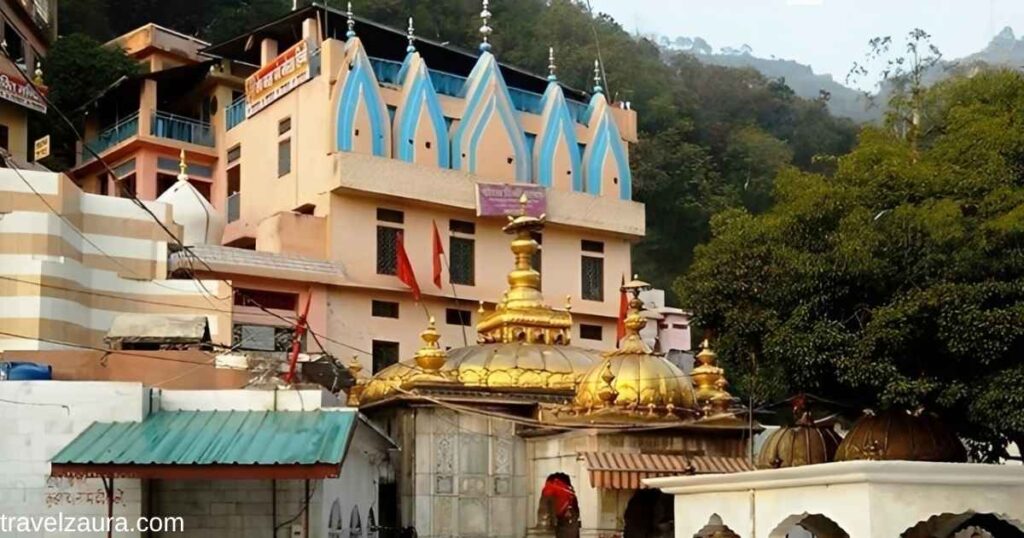
Jwala Devi Temple stands in Jwalamukhi town, in the green foothills of the Kangra valley. Pilgrims come to see natural flames that burn without any fuel.
This section clears up the usual location doubts. You will find the district, a quick map reference, and the answer to some common mix-ups.
Jwala Devi Temple Himachal Pradesh Location
The shrine sits about 34 km south of Kangra town and 56 km from Dharamshala. If you search jwala devi temple himachal pradesh location, Google Maps points to Jwalamukhi town.
Jwala Devi Temple Kangra District Map
Many travelers ask: Jwala Devi Temple Himachal Pradesh in which district? The answer is Kangra district, and the quick facts below help you pin it on a map.
- State: Himachal Pradesh
- District: Kangra
- Town: Jwalamukhi
- Coordinates: about 31.88° N, 76.32° E
- PIN code: 176031
Is Jwala Devi Temple in Jammu?
No. People often mix this shrine up with Jammu because of its fame for Vaishno Devi, but this shrine is about 240 km away in Himachal.
The same confusion appears with Mussoorie. Mussoorie is in Uttarakhand, so there is no connection with this temple.
Jwala Devi Temple History
The story of this shrine blends Hindu legend, royal patronage, and a famous Mughal test. Each ruler and devotee added something to the site over the centuries.
Below is the history in short, clear parts. Each part explains one layer of the legend.
Sati’s Tongue and Shakti Peeth Legend
According to the Puranas, Sati’s tongue fell here when Lord Vishnu’s discus divided her body. That makes Maa Jwala Devi Temple one of the 51 Shakti Peethas, where the goddess is worshipped as a living flame.
Akbar and the Eternal Flames
Emperor Akbar reportedly tried to put out the flames with water and an iron disc. They kept burning, so he offered a gold canopy as a sign of respect.
Pandavas and Maharaja Ranjit Singh Role
Local tradition says the Pandavas rediscovered the site and built the first shrine. Maharaja Ranjit Singh later gilded the dome, and the Katoch rulers supported the temple as well.
Jwala Devi Temple History in Hindi
Hindi readers will find the same story, often told as Jwala Devi Mandir ka itihas. You can also read the Hindi version on information boards near the entrance.
You May Also Visit: Planning a Visit to Mehandipur Balaji? Here Is Everything You Need
Nine Sacred Flames and Their Meaning
Nine flames burn inside the temple, and each one is linked to a form of the goddess. Devotees treat the flames as the deity, not as a symbol of her.
Some devotees also call the shrine the jwalamalini devi temple, but the Jwalamukhi flames remain the centre of worship.
Nine Flames and Goddess Forms
| Flame | Goddess form |
| 1 | Mahakali |
| 2 | Annapurna |
| 3 | Chandi |
| 4 | Hinglaj |
| 5 | Vindhyavasini |
| 6 | Mahalakshmi |
| 7 | Maha Saraswati |
| 8 | Ambika |
| 9 | Anjana |
Why There Is No Idol
The flames rise from natural cracks in the rock, so devotees worship the fire itself. Priests place offerings near the flames, and no statue stands in the sanctum.
Jwala Devi Temple Timings and Aarti
The temple opens early and stays open late, with short breaks for rituals. Aarti is the main event, so plan your arrival around it.
Timings can change on festival days and by season. Confirm locally before you travel.
Jwala Devi Temple Opening Hours
The shrine opens at roughly 5:00 AM and closes around 10:00 PM in summer. In winter, opening and closing shift by about an hour.
Aarti Timings, Summer vs Winter
| Aarti | Summer (approx.) | Winter (approx.) |
| Morning aarti | 5:00 AM | 6:00 AM |
| Midday bhog aarti | 12:00 PM | 12:00 PM |
| Evening aarti | 7:00 PM | 6:30 PM |
| Shayan aarti | 9:30 PM | 9:00 PM |
How to Reach Jwala Devi Temple
Jwalamukhi is easy to reach by road from Himachal, Punjab, and Chandigarh. Rail and air options exist, but a final road leg is always needed.
Use the tables and notes below to pick the route that suits your budget and time.
Jwala Devi Temple Distance by Road
The Jwala Devi Temple in Himachal Pradesh depends on where you start. These are approximate road distances.
| Route | Distance | Drive time |
| Kangra to Jwala Devi Temple distance | 34 km | 1 hour |
| Dharamshala to Jwala Devi Temple distance | 56 km | 1.5 hours |
| Pathankot to Jwala Devi Temple distance | 110 km | 3 hours |
| Dalhousie to Jwala Devi Temple distance | 160 km | 4.5 hours |
| Chandigarh to Jwala Devi Temple distance | 200 km | 5 hours |
Jwala Devi Temple Nearest Railway Station
Jwalamukhi Road, also called Ranital, is the closest rail stop to the shrine, about 20 km away. It runs on a narrow-gauge line, so most visitors choose a broad-gauge station instead.
For better train links, Amb Andaura is a good pick, about 40 km from Jwalamukhi. Pathankot is the main junction for long-distance trains and lies about 110 km away.
Travelling by train? Book a train to Pathankot or Amb Andaura, then finish the trip by taxi or bus. Check the latest train timings and station details on the IRCTC app before you book.
Nearest Airport to Jwala Devi Temple
Kangra (Gaggal) Airport is the closest, about 50 km away. Chandigarh Airport is the bigger alternative, about 200 km by road.
Bus, Taxi and Self-Drive Options
- Bus: HRTC and Punjab buses run from Chandigarh, Pathankot, and Dharamshala.
- Taxi: Book at stations or airports, and agree on the fare first.
- Self-drive: Roads are good, but keep extra time in monsoon.
Best Time to Visit Jwala Devi
The best months are March to June and September to November. Weather is pleasant, and the roads are clear.
Festival periods bring crowds, so choose your dates based on what you want from the trip.
Navratri Fair and Special Pujas
Navratri in spring and autumn brings the biggest fairs, with special pujas and long queues. Book your stay well ahead.
Summer, Monsoon and Winter Conditions
- Summer: Warm days; early darshan works best.
- Monsoon: Heavy rain, possible landslides on hill roads.
- Winter: Cool and calm, with fewer visitors.
Jwala Devi Temple Darshan and Puja
Darshan is simple, but queues grow on weekends and festivals. Early morning gives the calmest experience.
You can join a guided darshan or arrange a puja through the temple office.
Guided Darshan Yatra Explained
Local guides walk you through the flames, the legends, and the temple rules. Many pandits offer this service, so agree on a price in advance.
Aarti, Havan and Puja Booking
Book aarti, havan, and special puja at the temple office on the premises. Ask for a receipt for every booking.
Dress Code and Temple Rules
- Dress modestly with covered shoulders and knees.
- Leave shoes and leather items at the counter.
- Photography is usually restricted inside the sanctum.
Jwala Devi Temple Itinerary
The temple is small, so you can see it in a few hours. Add nearby stops for a fuller trip.
Pick a one-day plan for a quick darshan or two days for the wider valley.
One Day Jwala Devi Itinerary
- 6:00 AM: Reach Jwalamukhi and join the morning aarti
- 9:00 AM: Breakfast and local sweets
- 11:00 AM: Visit Gorakh Dibbi and Tara Devi temple
- 1:00 PM: Lunch, then head to Kangra or Dharamshala
Two-Day Kangra Valley Itinerary
- Day 1: Jwalamukhi darshan, then Brajeshwari Devi Temple and Kangra Fort
- Day 2: Chamunda Devi, Dharamshala and McLeod Ganj
Jwala Devi Temple Budget Breakdown
A pilgrimage here is affordable, even for families. Costs vary by season and travel style.
The table shows rough per-person estimates in Indian rupees.
Travel, Stay and Food Costs
| Item | Budget | Comfort |
| Bus or taxi (round trip) | ₹600 to ₹1,200 | ₹3,000 to ₹6,000 |
| Stay (per night) | ₹300 to ₹800 | ₹1,500 to ₹3,500 |
| Food (per day) | ₹300 to ₹500 | ₹600 to ₹1,200 |
| Prasad and puja | ₹100 to ₹500 | ₹500 to ₹2,000 |
Nearby Temples to Visit
The Kangra Valley is full of old shrines, and several are easy to add to your visit. Plan them along the same road to save time.
Here are the best temples close to Jwalamukhi.
Jwala Devi to Baglamukhi Temple Distance
The Jwala Devi Temple, Himachal Pradesh, to Baglamukhi Temple distance is about 22 km. Baglamukhi Temple at Bankhandi takes around 45 minutes by car.
Chamunda Devi Temple Near Jwala Devi
Chamunda Devi sits near Dharamshala, about 60 km from Jwalamukhi. It is a popular riverside shrine and pairs well with a Dharamshala stop.
Hidden Gems Near Jwalamukhi
- Gorakh Dibbi: A sacred spot close to the main temple
- Tara Devi Temple: A quiet hilltop shrine
- Ashtabhuja Temple: A small, peaceful stop for photography lovers
You May Also Visit: Your Complete Guide to Lakshmi Ganapathi Temple: Locations, Timings and Photos
Local Food and Prasad Guide
Food around the temple is simple, fresh, and vegetarian. Himachali dishes add real local flavour to the trip.
Try the prasad first, then explore the local eateries.
Prasad and Offerings at Jwala Devi
Common offerings are halwa, mishri, sweets, coconut, and red chunri. Buy from licensed shops near the entrance.
Best Local Food in Jwalamukhi
- Chana madra with rice
- Siddu with ghee
- Himachali dhaam on special days
- Hot tea and fresh pakoras
Where to Stay Near Jwala Devi
Stay options range from basic dharamshalas to comfortable hotels. Book early during Navratri.
Choose Jwalamukhi for convenience, or stay in a larger town for more choice.
Dharamshalas and Budget Hotels
Temple dharamshalas offer clean, low-cost rooms near the shrine. Small hotels in Jwalamukhi charge a little more and add basic comforts.
Hotels in Kangra and Dharamshala
Kangra and Dharamshala have mid-range and luxury hotels with mountain views. They work well for families and longer trips.
Jwala Devi Temple Travel Tips
A few simple habits make your visit safer and calmer. Prepare before you leave, especially in peak season.
These tips cover safety, packing, and special needs.
Safety Tips for Pilgrims
- Keep valuables in a small, zipped bag
- Avoid unofficial guides who push paid services
- Use fixed-fare taxis and keep a phone charged
Jwala Devi Packing Guide
- Light cotton clothes and a shawl
- Comfortable slip-on footwear
- Water bottle, ID, and some cash
- Rain jacket in monsoon
Tips for Senior Citizens and Families
- Visit early in the morning to avoid long queues
- Ask for wheelchair help at the entrance
- For jwala devi temple himachal pradesh distance from my location; check Google Maps and add extra time for breaks
Pros and Cons
- Pros: Unique natural flames, easy road access, low cost, rich legends
- Cons: Crowds in Navratri, limited luxury stays, weather delays in monsoon
Visa and Entry for Foreign Visitors
Foreign visitors need a valid Indian visa to visit the temple. No special permit is needed for Kangra district.
Rules depend on nationality, so check official sources before you book flights.
Indian Visa for Jwala Devi Visit
- Many nationalities can apply for an e-Tourist Visa online
- Others must apply through an Indian embassy or consulate
- Keep your passport valid for at least six months
- Always confirm current rules on the official Indian visa portal
Frequently Asked Questions
What is the Jwala Devi Temple famous for?
Jwala Devi Temple is famous for its natural eternal flames burning from rock cracks, worshipped as the goddess, and ranks among the 51 Shakti Peethas.
Which part of Sati fell in Jawala Ji?
Her tongue fell here, according to the Puranas. That is why the Jwala Devi Temple honors the goddess as living flames, not an idol.
What is the nearest railway station to Jwala Devi?
Jwalamukhi Road (Ranital) is the nearest station to Jwala Devi Temple, about 20 km away. Pathankot and Amb Andaura are better broad-gauge options.
Where to go first, Jwalaji and Chintpurni?
Order depends on your route. Coming from Chandigarh or Punjab, visit Chintpurni first; arriving from Kangra or Dharamshala, start with Jwala Devi Temple.
What is the best time to visit Jwalaji?
March to June and September to November are ideal for the Jwala Devi Temple, with pleasant weather. Navratri brings fairs but heavy crowds.
How far is Chintpurni from Jwala Ji?
Chintpurni is roughly 35 km from Jwala Devi Temple, about a one-hour drive by road, making it easy to combine both shrines in one trip.
Conclusion
The Jwala Devi Temple Himachal Pradesh location is Jwalamukhi town, and the Jwala Devi Temple Himachal Pradesh in which district is Kangra. It is not in Jammu or Mussoorie.
The rich history of Jwala Devi Temple Himachal Pradesh, links it to Sati’s tongue and Akbar’s failed test. Visit 5:00 AM to 10:00 PM, with aarti at 5:00 AM and 7:00 PM.
For Jwala Devi Temple Himachal Pradesh distance, Kangra is 34 km, and to Dharamshala, 56 km. Reach via Pathankot (110 km). The best time is March to June or September to November. Add Chamunda Devi for a complete Kangra Valley pilgrimage.