
A curtain blinks every few seconds. Behind it waits a gaze so intense, tradition says it can overwhelm you. That’s the magic of Banke Bihari Temple in Vrindavan. You haven’t truly experienced devotion until you’ve stood in that queue.
Before you go, you’ll want to know Banke Bihari Temple timings, the exact opening time, and the closing time, since they shift by season. Curious: Is Banke Bihari Temple open today? Almost always, yes. This guide covers everything: Banke Bihari Temple history, temple photos, tickets, the renovation update, and nearby gems like Nidhivan and Prem Mandir. Just search Banke Bihari Temple near me and check the distance from your location to start planning.
Is Banke Bihari Temple Open Today
Yes, the temple opens daily except during a short mid-day break between the morning and evening darshan sessions. If you’re wondering whether Banke Bihari Temple is open today, the answer is almost always yes, barring rare special closures announced by the temple trust.
Timings shift slightly with the season, so it helps to check the current schedule before you leave for Vrindavan. We’ve listed the latest slots below.
Banke Bihari Temple Timings and Aarti
Banke Bihari Temple timings follow a fixed daily pattern, with small seasonal adjustments for summer and winter. The temple closes for a few hours in the afternoon for the deity’s rest period.
| Aarti Name | Time |
| Shringar Darshan | 8:00 AM – 8:30 AM |
| Rajbhog Aarti | 11:00 AM – 12:00 PM |
| Shayan Bhog Darshan | 5:30 PM – 6:00 PM (winter) / 6:30 PM – 7:00 PM (summer) |
| Shayan Aarti | Just before closing |
Aarti timings can shift on festival days like Janmashtami and Holi, so confirm locally if you’re planning around a special occasion.
Banke Bihari Temple Opening and Closing Time
The Temple opening time is generally 8:00 AM, though it may move slightly earlier or later depending on the season. Vrindavan runs on two seasonal schedules: summer and winter.
The closing time in the evening also varies, roughly between 8:30 PM and 9:30 PM. A midday break, usually from around 12:00 PM to 5:30 PM, keeps the deity’s daily routine intact.
Meaning of Banke Bihari Name
The name Banke Bihari translates roughly to “the one who bends in three places,” referring to Krishna’s iconic tribhanga posture. It also carries connotations of a playful wanderer who delights in Vrindavan’s groves.
Devotees see the name as a description of Krishna’s charm and mischievous nature rather than a strict title. This is part of why the deity is worshipped with such warmth and familiarity here.
History of Banke Bihari Temple
Banke Bihari Temple history traces back to the 16th century, linked closely to the saint-musician Swami Haridas. The temple has remained a spiritual centre of Vrindavan for nearly 500 years.
Over centuries, the temple has been rebuilt and expanded while preserving its original spiritual character. Its story is inseparable from the sacred groves of Vrindavan itself.
Swami Haridas and the Divine Idol
Devotees believe that Swami Haridas, a devoted saint and Tansen’s guru, manifested the deity through his devotion and songs. Legend says the idol appeared to him in Nidhivan.
Followers of the Haridasi sampradaya still consider this temple central to their spiritual lineage. The idol’s expression is unique among Krishna deities across India.
You May Also Visit: Chilkur Balaji Temple: Your Complete Visitor’s Guide
Temple Construction and Nidhivan Origin
The temple’s roots lie close to Nidhivan, a sacred forest believed to be the site of Krishna’s eternal raas leela. The original shrine was built near this forest before later being moved to its current location.
Nidhivan remains a place of deep mystery and reverence, closed to visitors after sunset due to local legends. Many pilgrims visit both sites together during their Vrindavan trip.
Curtain Darshan Ritual Explained
Unlike most temples, Banke Bihari darshan uses a curtain that opens and closes every few seconds. This practice is believed to protect devotees from being overwhelmed by the deity’s intense, direct gaze.
The ritual gives the darshan a rhythmic, almost meditative quality unique to this temple. First-time visitors are often surprised by how frequently the curtain moves.
Daily Seva: Shringar, Rajbhog, Shayan
The deity’s day is structured around a set of daily sevas performed by temple priests. These rituals include:
- Shringar Seva – morning dressing and decoration of the deity
- Rajbhog Seva – midday offering before the afternoon rest
- Shayan Seva – evening preparation for the deity’s night rest
Each seva has its own significance and draws devotees who plan their visit around a specific ritual. Watching these sevas offers insight into the temple’s living tradition.
Why There Is No Mangala Aarti
Banke Bihari Temple is one of the few major Krishna temples that skips the early-morning Mangala Aarti. Tradition holds that the deity should not be woken abruptly, unlike infant-form idols elsewhere.
Instead, the day begins directly with Shringar Darshan once the deity has been dressed. This distinguishes the temple’s rhythm from most other Vrindavan and Mathura shrines.
Banke Bihari Temple Renovation Update
The Banke Bihari Temple renovation project, aimed at improving crowd management and visitor safety, has been an ongoing topic of discussion among devotees and local authorities. Plans include a proposed corridor to ease congestion during peak season.
Work has progressed in phases, with some infrastructure upgrades already visible around the temple premises. Pilgrims planning a visit should check for any local updates before travel, since construction activity can occasionally affect access routes.
Best Time to Visit Banke Bihari Temple
The ideal months to visit are October through March, when Vrindavan’s weather is pleasant for walking between temples. Summers can be intensely hot, making early morning or evening visits more comfortable.
Festivals like Janmashtami, Holi, and Radhashtami bring the temple to life but also massive crowds. If you prefer a quieter darshan, plan your trip on a regular weekday outside festival season.
Busiest Days to Avoid Crowds
Weekends, especially Saturdays and Sundays, see significantly higher footfall than weekdays. Major festivals can multiply crowd sizes several times over.
To avoid long queues, consider these tips:
- Visit on a weekday morning right after opening
- Avoid major Krishna festivals unless you specifically want the festive atmosphere
- Arrive at least 30 minutes before the Shringar Darshan slot
How to Reach Banke Bihari Temple
Vrindavan is well connected by rail, road, and air, making the temple accessible from most parts of North India. Most pilgrims combine this visit with nearby Mathura temples in a single trip.
Choosing the right mode of transport depends on where you’re travelling from and how much time you have. Here’s a breakdown of the main options.
By Train from Mathura Junction
Mathura Junction is the nearest major railway station, well connected to Delhi, Agra, and other major cities. From there, local transport covers the remaining distance into Vrindavan.
The Mathura to Banke Bihari Temple distance is roughly 12 to 14 kilometres, taking around 30 to 40 minutes by road depending on traffic.
By Road and Local Transport
Vrindavan has good road connectivity via the Yamuna Expressway from Delhi and NH19 from Agra. Local autos and e-rickshaws are the easiest way to reach the temple once you’re in town, since the surrounding lanes are narrow.
Private cabs and shared taxis are also readily available from Mathura and Agra bus stands.
By Air via Delhi Airport
The nearest major airport is Indira Gandhi International Airport in Delhi, about 160 kilometres away. From there, a taxi or train connection to Mathura followed by a short local ride completes the journey.
Agra’s Kheria Airport is a closer alternative for domestic travellers, roughly 65 kilometres from Vrindavan.
Banke Bihari Temple Distance and Location
If you’re searching for temples near me, this shrine is located in the heart of Vrindavan, Uttar Pradesh, close to several other major sacred sites. Its central location makes it a natural starting point for a temple-hopping day.
For those checking the distance from my location, most navigation apps calculate this accurately once you enter “Banke Bihari Mandir, Vrindavan” as the destination. The distance from Vrindavan to the temple, from most points within the town, is under 2 kilometres.
Places to Visit Near Banke Bihari Temple
Vrindavan is packed with temples and spiritual sites within walking or short driving distance of Banke Bihari. Planning a route saves considerable time.
| Place | Distance | Timings |
| Prem Mandir | ~2.5 km | 8:30 AM – 8:30 PM |
| Nidhivan | ~1 km | 5:00 AM – 6:00 PM |
| ISKCON Temple | ~3 km | 4:30 AM – 8:30 PM |
| Radha Raman Temple | ~1.5 km | 5:00 AM – 12:00 PM, 4:00 PM – 8:00 PM |
Prem Mandir and Nidhivan
The Prem Mandir to Banke Bihari Temple is around 2.5 kilometres, making it an easy add-on to your itinerary. Prem Mandir is known for its intricate marble carvings and evening light show.
Nidhivan, just a kilometre away, offers a quieter, more mysterious spiritual experience tied directly to Banke Bihari’s own origin story.
ISKCON and Radha Raman Temple
ISKCON Vrindavan and Radha Raman Temple are both within a short ride and worth visiting for their distinct architectural styles and rituals. Radha Raman Temple is especially notable for its centuries-old deity, believed to have self-manifested from a shaligram stone.
Both sites pair well with a Banke Bihari visit if you have a full day for temple exploration.
Travel and Safety Tips for Visitors
Vrindavan’s narrow lanes get crowded quickly, so a little planning goes a long way. Keep these points in mind:
- Keep valuables secure in crowded darshan queues
- Stay hydrated, especially during summer visits
- Watch your step near temple entrances, as floors can be slippery
- Keep children close during peak hours
Several hotels in Vrindavan near Banke Bihari Temple offer easy walking access, which is useful if you plan multiple darshan visits across the day. A hotel near Banke Bihari Temple also makes early-morning Shringar Darshan far more convenient.
Dress Code and Photography Rules
Modest clothing covering shoulders and knees is expected for both men and women inside the temple. Avoid sleeveless tops, shorts, or overly casual beachwear.
The temple strictly prohibits photography and mobile phone use inside the sanctum area. Authorities usually ask visitors to store their phones before entering the darshan queue.
Darshan for Elderly and Disabled Devotees
Temple management provides limited support for elderly and disabled visitors, though the facilities remain basic given the temple’s narrow, centuries-old layout. Wheelchair access exists in certain sections but can be difficult during peak crowd hours.
It’s advisable for elderly devotees to visit during quieter weekday slots and to travel with an attendant for support in the crowded lanes.
Banke Bihari Temple Photos and Architecture
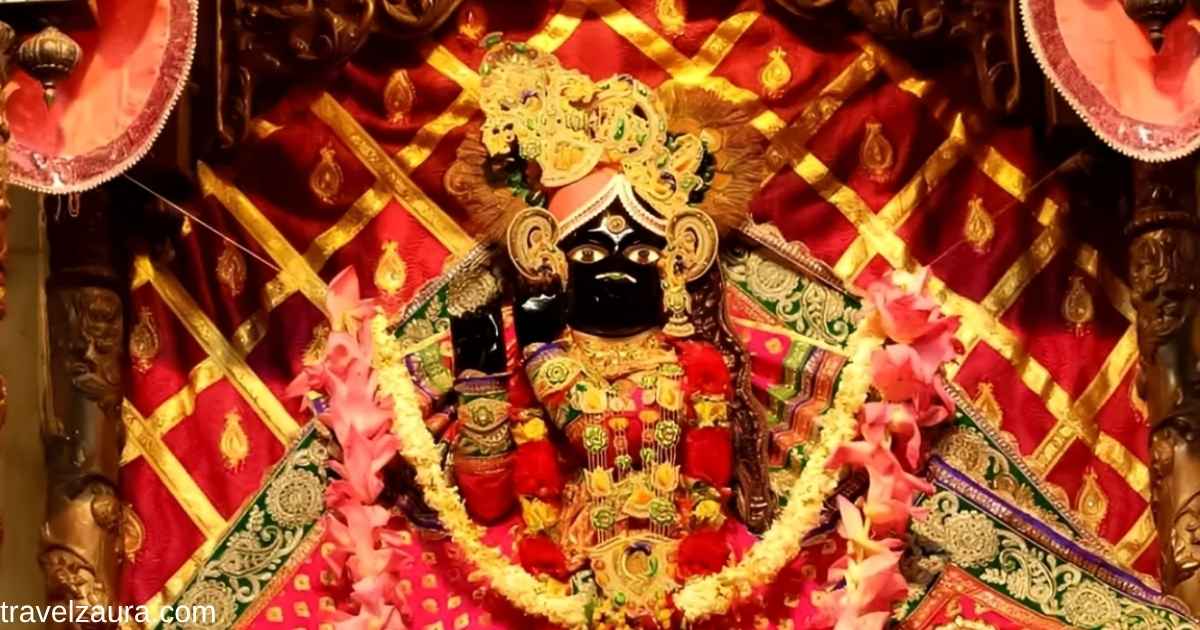
Banke Bihari Temple photos shared online often highlight the deity’s ornate silver doorway and richly decorated sanctum. The architecture blends traditional Vrindavan temple style with intricate woodwork and vibrant seasonal decor.
Many devotees search for Shri Banke Bihari Vrindavan photos before their trip to get a sense of the atmosphere. While photography isn’t allowed inside, the exterior and surrounding lanes offer plenty to capture.
Banke Bihari Temple Ticket and Entry Fee
Entry is completely free for general darshan, with no ticket required for regular visits. Special seva bookings, where available, may involve a nominal donation.
For Banke Bihari Temple tickets related to VIP or special darshan arrangements during festivals, it’s best to check with the temple trust directly, as these slots change seasonally.
Frequently Asked Questions
Why is Banke Bihari Mandir so famous?
Banke Bihari Temple is famous for its unique curtain darshan ritual, Krishna’s enchanting tribhanga idol, and its deep connection to saint Swami Haridas and Nidhivan’s sacred legends.
What are the timings of Banke Bihari Temple?
Banke Bihari Temple typically opens around 8:00 AM and closes near 9:00 PM, with a midday break between Rajbhog and Shringar darshan sessions, varying slightly by season.
Why does Banke Bihari have no flute?
Unlike most Krishna idols, Banke Bihari Temple’s deity holds no flute because devotees believe its music would draw him away, so they symbolically removed it from the idol.
Is Banke Bihari Temple closed now?
Banke Bihari Temple stays closed briefly each afternoon for the deity’s rest period, roughly between 12:00 PM and 5:30 PM, reopening later for evening Shringar and Shayan darshan.
What is not allowed in Banke Bihari Temple?
Banke Bihari prohibits photography, mobile phone use, and revealing or casual clothing inside the sanctum, and expects visitors to maintain silence and discipline during darshan queues.
Who is the owner of Banke Bihari Mandir?
Hereditary Goswami priests belonging to the Haridasi sampradaya manage Banke Bihari Temple, and a temple trust — rather than a single individual owner oversees its day-to-day administration.
Conclusion
Banke Bihari Temple in Vrindavan rewards devotees who plan. Check current Banke Bihari Temple timings before you travel, since the opening time and closing time shift slightly by season. Wondering if Banke Bihari Temple is open today? It runs daily except for a short midday break.
Knowing the temple’s history, tied to Swami Haridas, adds meaning to your darshan. Pair the visit with nearby Nidhivan and Prem Mandir, and note that the ongoing renovation may affect crowd flow. Entry is free, so skip tickets unless booking a special seva. Search for Banke Bihari Temple near me to check the distance from your location, and browse temple photos beforehand to know what awaits.