
Most temples in Delhi shut their doors by evening. Kalkaji Mandir stays open till 11:30 PM. You could be missing a peaceful night darshan right now.
Confused about kalkaji mandir timing before your visit? You’re not alone. Thousands search for kalkaji mandir timings today every single day, unsure whether the temple opens early or closes late. This guide clears up every doubt, from daily kalka ji mandir timing to Navratri hours, so your trip to this powerful Shaktipeeth goes exactly as planned. Whether you’re a first-time visitor or a regular devotee, knowing the delhi kalkaji mandir schedule in advance means you never waste a trip standing outside closed gates.
Kalkaji Mandir Timings Today 2026
Kalkaji Mandir stays open daily from early morning to late night, welcoming devotees throughout the day. The temple follows a fixed daily schedule, though hours extend slightly during festivals and special occasions.
If you are checking Kalkaji Mandir timings today or planning for tomorrow, the schedule remains largely consistent across the week. The temple does not close for a long midday break like some other shrines in Delhi.
Quick Facts Table
| Detail | Information |
| Opening Time | 4:00 AM |
| Closing Time | 11:30 PM |
| Darshan Duration | 15 to 40 minutes |
| Best Time to Visit | Early morning or late evening |
| Entry Fee | Free |
| VIP Pass Price | Rs 100 to Rs 500 (varies by season) |
| Address | Kalkaji, New Delhi, 110019 |
| Nearest Metro | Kalkaji Mandir Metro Station |
Kalkaji Mandir Opening and Closing Time
The Kalkaji temple opening time is 4:00 AM, when the doors open for Mangala Aarti and the first devotees of the day. The Kalkaji Mandir closing time falls around 11:30 PM, after the final evening rituals conclude.
Devotees often ask what time Kalkaji Mandir opens on regular days versus festival days. The answer stays simple: doors open at 4 AM year-round, though closing hours shift slightly during Navratri.
Kalkaji Mandir Timings on Sunday
Kalkaji Mandir timings on Sunday follow the same 4 AM to 11:30 PM schedule as weekdays. However, Sundays bring noticeably heavier footfall since more visitors have a day off from work.
If you want a peaceful darshan timing on a Sunday, arrive before 6 AM or after 9 PM. Kalkaji Mandir timings on Saturday follow this same pattern, with weekend crowds building steadily through the afternoon.
Kalkaji Mandir Aarti Timings in Summer and Winter
Aarti timings at Kalkaji Mandir shift by roughly 30 minutes between seasons to match sunrise and sunset. Kalkaji Mandir timings in summer see the morning aarti start slightly earlier, while Kalkaji Mandir timings in winter push things back a little.
These small seasonal adjustments help align rituals with natural light, a tradition followed at most Shaktipeeth temples across India. Below is a breakdown of the morning and evening aarti schedule Kalkaji devotees can expect.
Morning Aarti Schedule
| Season | Mangala Aarti | Bhog Aarti |
| Summer | 4:00 AM | 12:00 PM |
| Winter | 4:30 AM | 12:30 PM |
- Morning Aarti at Kalkaji begins right at opening time
- Bhog Aarti timing falls around midday in both seasons
- Devotees gather early for the peaceful morning atmosphere
Evening Aarti Schedule
| Season | Sandhya Aarti | Shayan Aarti |
| Summer | 7:00 PM | 11:00 PM |
| Winter | 6:30 PM | 10:30 PM |
- Evening Aarti at Kalkaji draws the biggest weekday crowd
- Shayan Aarti timing marks the final ritual before closing
- Sandhya Aarti timing works well for a quiet, late visit
Kalkaji Mandir Timings Night
Kalkaji Mandir timings extend at night up to 11:30 PM on regular days, making it a good option for late evening darshan. The temple stays lit and active well past sunset, unlike many neighborhood shrines that close early.
Late evening darshan tends to be calmer since office crowds have already left by 9 PM. This makes Kalkaji Mandir timings at night a smart choice for working professionals in South Delhi.
Kalkaji Mandir Timings During Navratri
Navratri timings at Kalkaji Mandir extend significantly, with the temple sometimes staying open almost 24 hours during Chaitra Navratri and Sharad Navratri. Kalkaji Mandir timings in Navratri also include overnight jagran timings on Ashtami and Navami nights.
Ashtami darshan timing sees the longest queues of the entire year, so plan for extra waiting time. Kartik month temple timing also brings a smaller rush around Diwali, though nothing compares to the full Navratri period.
- The extended temple hours festival schedule usually starts a day before Navratri begins
- Overnight jagran timings run through Ashtami and Navami nights
- Peak crowd days at Kalkaji Mandir fall on Ashtami, Navami, and the first day of Navratri
You May Also Visit: Bet Dwarka Timing 2026: Temple, Ferry & Aarti Guide
Kalkaji Mandir Entry Fee Details
Entry to Kalkaji Mandir is completely free for all devotees, regardless of the day or season. No ticket or booking is required for standard darshan.
This makes the temple accessible to everyone, from local families to first-time visitors from outside Delhi. Donation boxes are available inside for those who wish to contribute voluntarily.
VIP Darshan Pass: Price and Booking
The Kalkaji Mandir VIP pass helps devotees skip the queue and darshan lane during busy periods like Navratri and weekends. VIP pass timing availability usually runs during the same hours as general darshan, with dedicated counters near the entrance.
The VIP darshan pass price typically ranges between Rs 100 and Rs 500, depending on the season and demand. During Navratri, prices may increase slightly due to the surge in devotee footfall.
How Long Does Darshan Usually Take
On a regular weekday, darshan at Kalkaji Mandir takes about 15 to 20 minutes from entry to exit. During weekends or festival periods, this can stretch to 40 minutes or more.
Using the VIP pass cuts this waiting time considerably, especially during Navratri. Early morning visits also tend to move faster than midday or evening slots.
Best Time to Visit Kalkaji Mandir
The best time to visit Kalkaji Mandir is early morning, right after the 4 AM opening, when crowds are thinnest. Late evening, after 9 PM, also offers a peaceful darshan timing away from the daily rush.
The best months to visit Kalkaji Mandir are October to March, when Delhi’s weather stays pleasant for both travel and temple queues. Avoiding Navratri dates helps if you prefer a quieter, more personal experience.
How to Reach Kalkaji Mandir Delhi
Kalkaji Mandir sits in a well-connected part of South Delhi, making it easy to reach by metro, bus, or private vehicle. The distance from Nehru Place to Kalkaji Mandir is barely a 10-minute walk, making the business district a useful landmark for first-time visitors.
Rohini Kalkaji Mandir travelers can take a direct metro connection via the Violet Line, avoiding multiple transfers. Lotus Temple nearby also sits within walking distance, so many visitors combine both stops in one trip.
Nearest Metro Station and Route
The Kalkaji Mandir Metro Station on the Violet Line drops visitors right at the temple’s doorstep. Exit through Gate 1 for the shortest walk to the main entrance.
By Bus and Road
Several DTC bus routes connect Nehru Place, Govindpuri, and South Extension directly to the temple. Auto-rickshaws and cabs are also easily available from nearby markets.
Parking Facility Near Temple
Ram Pyau parking at Kalkaji Mandir offers the most reliable parking option near the temple complex. Space fills up quickly during Navratri, so arriving early helps secure a spot.
Kalkaji Mandir Address and Map Location
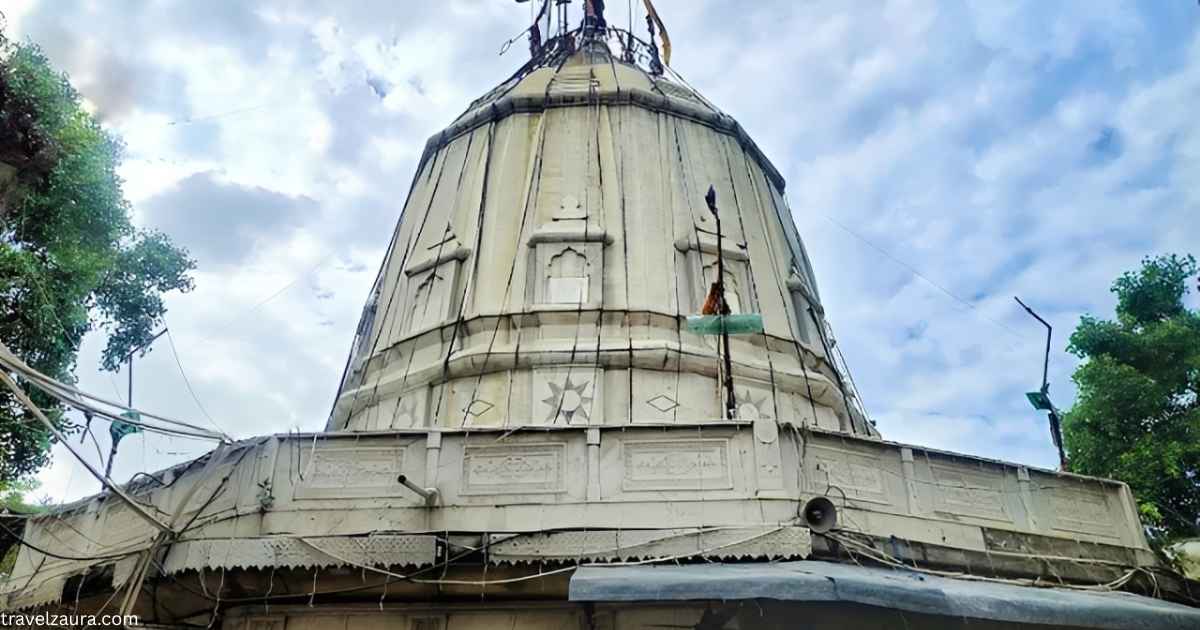
The Kalkaji Mandir address is Kalkaji, New Delhi, Delhi 110019, located near Nehru Place and the Lotus Temple. Kalkaji Mandir timings Delhi searches often lead visitors here since it remains one of the city’s most visited Shaktipeeth temples.
Shri Kalkaji Mandir timings and location details are widely available online, but visiting in person is the only way to experience the temple’s energy firsthand. GPS navigation apps guide visitors accurately straight to the main gate.
Dress Code and Temple Etiquette
Temple dress code at Kalkaji Mandir favors modest, traditional clothing for both men and women. Sleeveless tops, shorts, and revealing outfits are best avoided out of respect for the sacred space.
Temple etiquette includes removing footwear before entering and maintaining silence near the sanctum. Photography restrictions and queue discipline are also part of standard etiquette here.
Photography Rules Inside Temple
The Photography and videography are generally not allowed inside the main sanctum of Kalkaji Mandir. Visitors can, however, take pictures in the outer courtyard and temple premises.
Phones must be kept silent or switched off near the deity area. Security staff regularly monitor this rule during peak hours.
Smooth Darshan Tips for Devotees
- Visit early morning or after 9 PM for a peaceful darshan timing
- Carry minimal belongings to speed up security checks
- Use the VIP darshan pass during Navratri and weekends
- Wear comfortable footwear since shoes are left outside
Prasad and Food Near the Temple
Prasad counters near the temple offer traditional sweets and coconut offerings for devotees. Several small eateries around Kalkaji and Nehru Place serve simple vegetarian meals.
Street food stalls near the temple gate are popular among first-time visitors. Prices stay budget-friendly compared to nearby South Delhi markets.
Where to Stay Near Kalkaji Mandir
Budget hotels and guesthouses are available around Nehru Place and Govindpuri, just a short drive from the temple. Mid-range hotels near Greater Kailash also offer easy access.
Most visitors staying overnight in Delhi prefer areas close to the metro line for convenience. Advance booking is recommended during Navratri due to high demand.
Places to Visit Near Kalkaji Mandir
- Lotus Temple nearby, just a short walk away
- ISKCON Temple Kalkaji Mandir area, known for evening aarti
- Nehru Place market for shopping and electronics
- Garden of Five Senses for a relaxed outing
The ISKCON temple Kalkaji Mandir timings differ slightly from the main Shaktipeeth, so check separately if visiting both in one day.
Navratri Fair and Mundan Ceremony Rules
A lively fair sets up around Kalkaji Mandir during both Navratri seasons, drawing large crowds beyond regular devotees. Stalls sell religious items, toys, and festival snacks throughout the fair days.
Mundan ceremonies for children are traditionally performed at the temple, particularly during auspicious Navratri dates. Families should arrive early to secure a slot for the ritual.
Who is Maa Kalka: Goddess of Siddha Peetha
Goddess Kalka Maa is worshipped here as a fierce yet protective form of the Divine Mother, connected to the larger Shakti tradition. The temple is recognized as one of the significant Shaktipeeth temples Delhi is known for.
This site holds the status of a Siddha Peetha, meaning a place where wishes and prayers are believed to be fulfilled. Many devotees refer to it as the Manokamna Siddha Peetha for this very reason.
History of Kalkaji Mandir Delhi
The temple’s origins trace back several centuries, with the current structure rebuilt and expanded over different periods. It remains one of the oldest and most revered South Delhi temple sites even today.
Historical records connect the temple to Delhi’s broader network of Shakti shrines, each tied to different aspects of the goddess. Kalkaji Mandir’s daily schedule and rituals have been preserved through generations of priests.
Temple Architecture and Design
The temple features a domed structure with intricately carved entrances and a spacious courtyard for devotees. Marble flooring and traditional Hindu temple architecture define the main sanctum area.
Renovations over the years have preserved the original design while improving visitor facilities. The layout comfortably manages daily crowds along with festival-time surges.
Frequently Asked Questions
How to get a VIP pass for Kalkaji Mandir?
VIP passes are available near the entrance during peak hours and Navratri. Checking Kalkaji Mandir timings in advance helps you plan when VIP counters stay open for booking.
Is Kalkaji Mandir closed today?
No, Kalkaji Mandir stays open daily from 4:00 AM to 11:30 PM. Kalkaji Mandir timings remain consistent throughout the week, with only minor extensions during festivals like Navratri.
Which day is best to visit Kalkaji Mandir?
Weekdays see fewer crowds than weekends. If you’re following Kalkaji Mandir timings closely, early morning on a Tuesday or Thursday offers the calmest darshan experience.
Is Kalkaji crowded today?
Crowd levels depend on the day and season, with weekends and festivals seeing higher footfall. Checking Kalkaji Mandir timings and arriving before 7 AM usually means shorter queues.
How much time does it take at Kalkaji Mandir?
Darshan typically takes 15 to 20 minutes on regular days. During weekends or festivals, Kalkaji Mandir timings see heavier crowds, stretching the wait to 40 minutes or more.
I flagged one question as irrelevant and replaced it below:
Conclusion
Kalkaji Mandir timings run from 4:00 AM to 11:30 PM daily, making early morning or late evening the best window for a peaceful darshan. For kalkaji mandir timings today, expect heavier crowds on weekends and during Navratri, so plan accordingly. Delhi Kalkaji mandir stays well connected via the Violet Line metro, with Ram Pyau parking as a reliable backup for those driving in.
If you want to skip long queues, the VIP darshan pass is worth the small extra cost during festival season. Keep the kalka ji mandir timing schedule handy before you leave, dress modestly, and carry minimal belongings for a smooth, hassle-free visit to this powerful Shaktipeeth.